
The new Mac mini has its storage soldered down again, and the Mac Studio does not
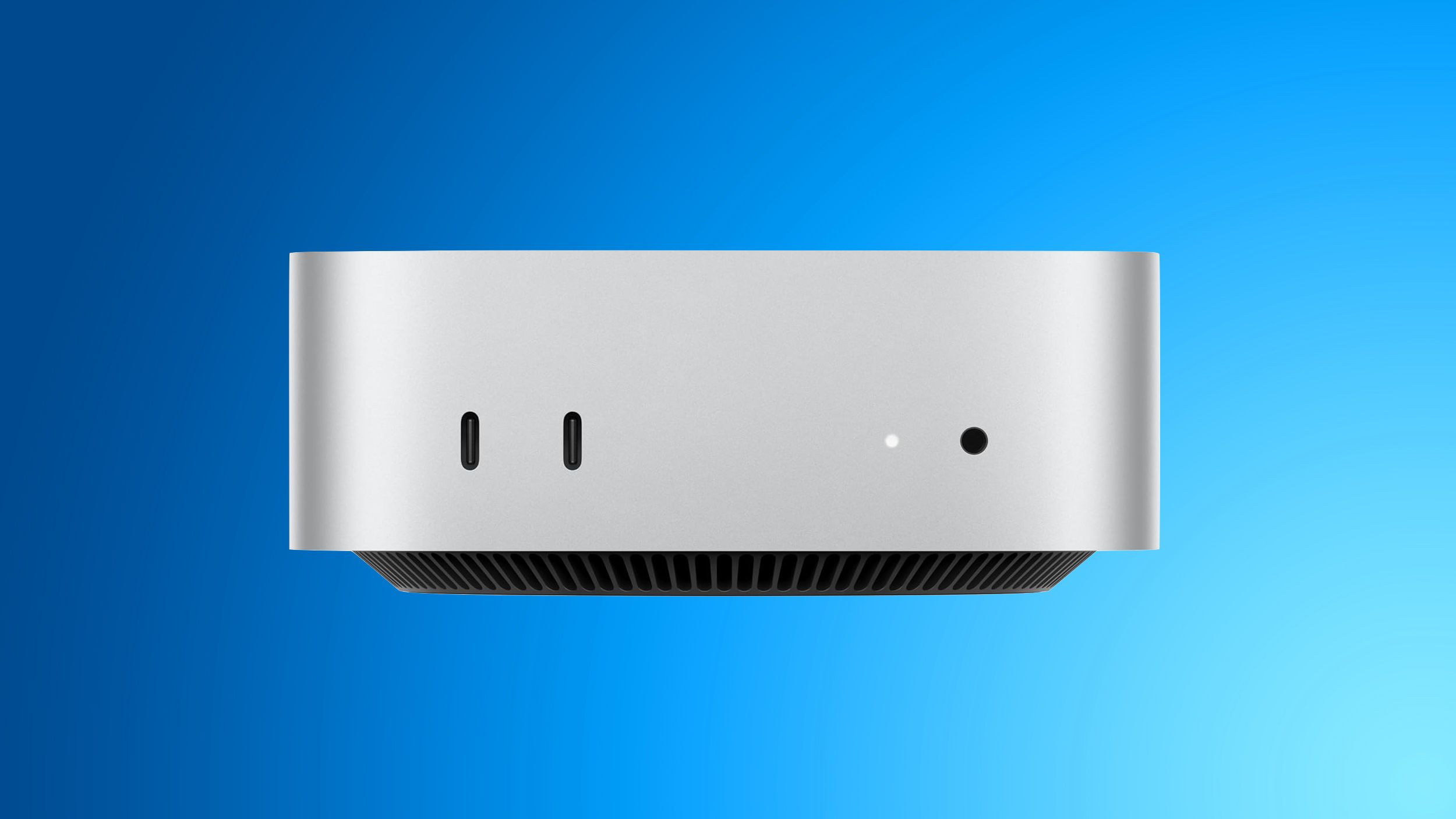
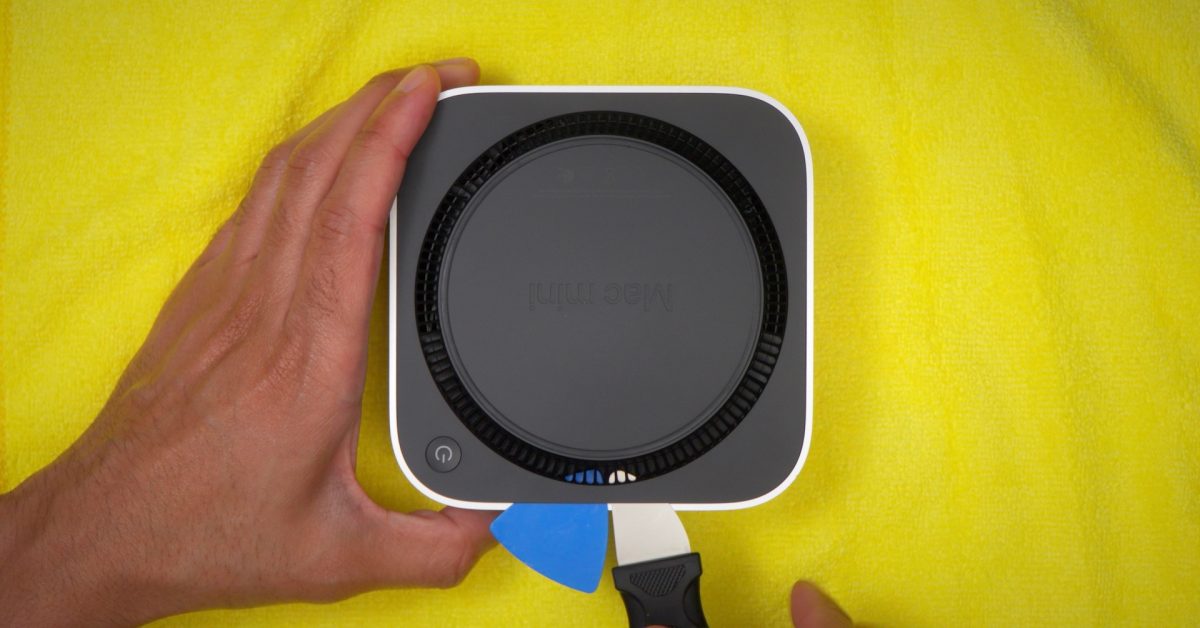
NAND storage in the M6 and M5 Pro Mac mini is soldered to the logic board, ending the aftermarket upgrades the M4 generation allowed.
The Mac mini models with the M6 and M5 Pro chips have their NAND storage soldered to the logic board, which means they cannot be upgraded after purchase.
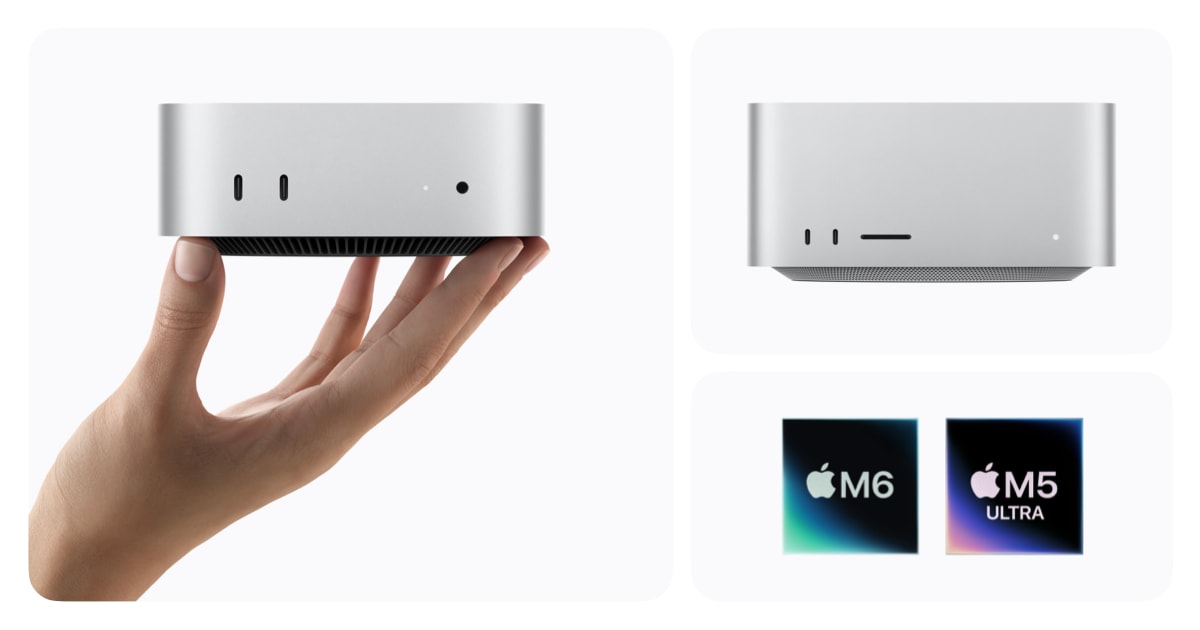
Both machines went on sale on 22 September 2026, alongside the new Mac Studio. The finding comes from Expand Mac mini, a vendor that has sold plug-and-play replacement storage modules for the previous generation, and which states plainly on its own site that the M6 and M5 Pro have their storage soldered to the logic board and no slot to upgrade. In a blog post the vendor wrote that support for the M6 and M5 Pro now looks unlikely, while saying it would keep looking for an opening. MacRumors, AppleInsider and 9to5Mac all reported the change the same day, each tracing it to that post.
This reverses one generation rather than a long-standing practice. The M4 and M4 Pro Mac mini, released in 2024, had a removable storage module, and so did the M1 and M2 generations of the Mac Studio. Before that Apple soldered Mac storage as a matter of course. MacRumors makes the point that the M1 and M2 Mac mini were soldered too, which leaves the M4 generation looking like a single exception rather than the start of a direction.
MacRumors adds a second finding that did not come from the vendor. Citing testing by AAPL Ch. using Blackmagic's Disk Speed Test, it reports that 256GB configurations of the new Mac mini use a single NAND chip rather than a pair of 128GB chips, and are therefore slower than configurations of 512GB or more, which have two. Apple has not commented on either point.
How the Mac Studio differs
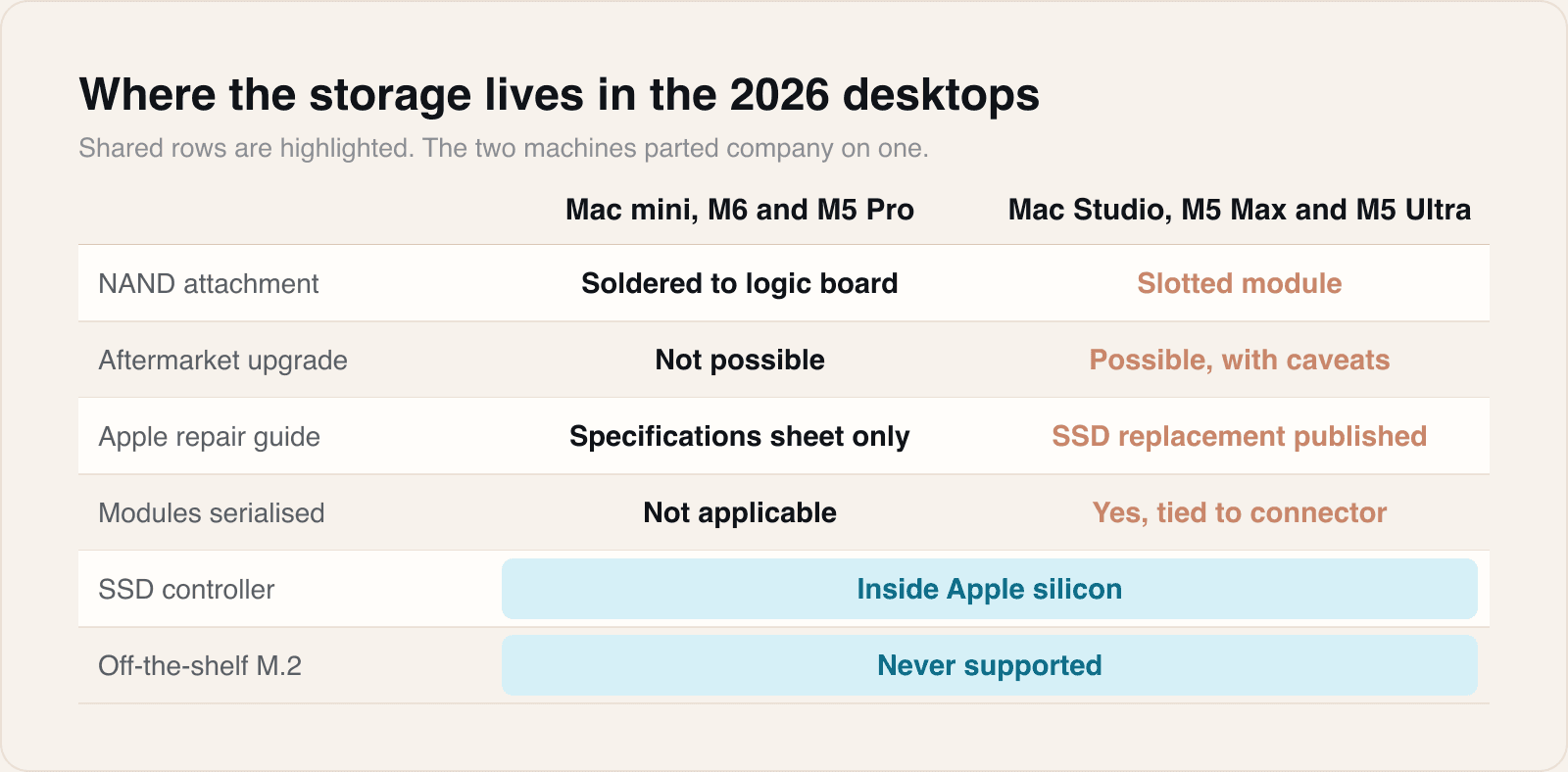
The Mac Studio with M5 Max and M5 Ultra keeps a slotted module, and Apple has published repair documentation covering how to replace it. AppleInsider, which read that documentation, notes that it is written for repair rather than for upgrading, and that the modules are serialised: Apple's guidance says SSD modules are specific to the Mac model, and the serial numbers correspond to particular connectors on the logic board, with two modules used in some storage configurations. At the time AppleInsider wrote, Apple's repair material for the new Mac mini amounted to a specifications sheet.
A slot is not the same as an open standard, and this is the part most easily misread. Apple integrates the SSD controller into the Apple silicon rather than putting it on the module, so the module is raw NAND and nothing else. Off-the-shelf M.2 drives have never worked in these machines and still do not. What the slot permits is a module built to Apple's arrangement by somebody other than Apple, which is exactly the business Expand Mac mini was in.
Our take
The two machines launching on the same day with opposite answers is what makes this worth writing about, and it also makes the most convenient explanation harder to sustain. If soldering the mini were about cost, thermals or board area, the Studio would be the machine with more room and fewer constraints, so the argument would predict the reverse of what shipped. The mini is the smaller, cheaper, more volume-driven product, and it is the one that lost the slot.
We think the honest reading is that the slot was never a policy and the M4 generation was never a promise. It was a board layout decision that happened to be convenient for a small aftermarket, and that aftermarket existed on sufferance. Apple did not announce the slot when it arrived and has not announced its removal, which is consistent with a company that never considered it a feature. That is a less satisfying account than a deliberate lockdown, but it fits the evidence better, and it carries a more useful warning: nothing that Apple has not documented as supported should be planned around, however well it worked for two years.
The practical cost falls on a specific and not very large group, and it is worth being accurate about who. Anyone buying storage from Apple at the point of sale is unaffected, and so is anyone who never intended to open the machine. The people who lose out are those who bought a 256GB mini deliberately, at Apple's entry price, planning to fit a larger module later for a fraction of what Apple charges for the same capacity. That route is now closed, and it closed without notice, which means the entry-tier mini has quietly become a worse deal than it was a generation ago without its price changing. The single-NAND finding sharpens that: the cheapest configuration is now both fixed and slower than the ones above it.
For anyone specifying Macs for a team, the change is small but it moves in one direction. A soldered machine has to be bought at the capacity it will need at the end of its life rather than the start, because there is no later. That is a larger cheque on day one, and it is also a harder machine to redeploy, since a mini bought at 256GB for one role cannot be grown into another. The Studio's slot does not really offset this, because a serialised module tied to a connector, documented for repair and sold at Apple's prices, is a repair path and not a procurement strategy. Anyone treating it as the latter is relying on a third party continuing to build modules for it, which is the arrangement that just ended on the other machine.
Sources
 New Mac Mini Has Two Storage Downsides, Including Unremovable SSDMacRumors, 2026-09-22
 New Mac mini does not have a slotted SSD, Mac Studio still doesAppleInsider, 2026-09-22
 New Mac mini drops support for aftermarket storage upgrades9to5Mac, 2026-09-22
 The new Mac mini and Mac Studio are available todayApple Newsroom, 2026-09-22
Reporting and images linked above belong to their respective publishers and are shown from their own servers. The analysis here is our own.