watchOS 27.0.1 fixes the Apple Watch Series 12 and Ultra 4 restart bug
Apple has released watchOS 27.0.1 for the Apple Watch Series 12 and Ultra 4, fixing the unexpected restarts owners began reporting on launch weekend.
Apple released watchOS 27.0.1 on 23 September 2026, a bug-fix update available only for the Apple Watch Series 12 and the Apple Watch Ultra 4.
Apple's release notes describe the update as providing bug fixes including, in Apple's wording, "fixing an issue where Apple Watch may restart unexpectedly". That is the whole of the public description. The update installs through the Settings app on the watch or through the Apple Watch app on a paired iPhone, and the usual conditions apply: the watch has to be on its charger, connected to Wi-Fi and above 50 percent battery. AppleInsider reports a download of around 384 megabytes on an Ultra 4.
Two things about the release are worth reading off Apple's own pages rather than the coverage. The first is the device list. Apple's security releases page gives the availability for watchOS 27.0.1 as the Series 12 and Ultra 4 alone, where watchOS 27 itself went to the Series 9 and later. This is a fix aimed squarely at the 2026 hardware. The second is that the same page records no published CVE entries for the update, which means Apple is not using it to close any disclosed security hole. It arrives nine days after watchOS 27 reached the public on 14 September.
What the update does not say
Apple names the symptom and stops there. Nothing in the release notes, the support pages or any statement identifies what was causing the restarts, and AppleInsider notes the same absence. That matters because the reports themselves were unusually well documented. Owners of both models began describing sudden reboots within hours of the watches arriving on 18 September, while editing watch faces, placing calls, using Siri AI, opening Maps or the App Store, recording workouts, and in some accounts while the watch sat idle.
As we reported on 21 September, several owners published panic logs and the logs agreed with one another. They showed an Apple Neural Engine command that had waited 2,020 milliseconds against a 2,000 millisecond ceiling, after which a watchdog forced a kernel panic and restarted the device. The most telling detail in that reporting was that one Series 12 owner saw the same signature on a replacement watch, and that erasing and setting up as new did not stop it.
Our take
The shape of this release answers the question the logs could not. A defect in a component does not follow a customer to a second unit, and a fault that survives an erase is not something a user configured. Both pointed at firmware or the operating system rather than manufacturing, and an update that Apple could write in Cupertino and ship in nine days is what that diagnosis predicts. Anyone who was advised last week to book a hardware swap can reasonably stop worrying about it.
The restriction to two models is the most informative thing Apple has published, precisely because Apple published nothing else. Software fixes are normally shipped to every device that can run the release, because the cost of doing so is close to zero and the alternative is fielding support calls from everyone left out. Confining this one to the Series 12 and Ultra 4 says the change is tied to something those two have and the Series 9, 10 and 11 do not, which is the current generation of silicon and the firmware that drives it. That is consistent with the Neural Engine timeout, without confirming it.
The absence of CVE entries is worth reading carefully rather than quickly. It does not mean the update is trivial. It means Apple is not claiming this closes a vulnerability, which fits a watchdog timing problem: a device that reboots itself is failing safe, noisily and in public, rather than leaking anything. The practical consequence is that there is no pressure to install this beyond the annoyance it removes, and no reason for anyone on an older watch to go looking for it.
What is still unknown is whether the timeout was the disease or a symptom of it. A component that reports a timeout is the component that noticed, not necessarily the one at fault, and if some other subsystem was holding a resource the Neural Engine needed, the log would read exactly the same. Apple has said nothing that distinguishes the two, and the range of triggers owners described, from Siri to idle time, always fitted contention somewhere shared better than one misbehaving feature. We would treat the fix as evidence that Apple found something specific, and not as evidence of what.
For anyone shipping a watchOS app, the useful move now is to go back and reinterpret the last week of telemetry rather than act on it. Sessions that ended abnormally on new hardware between 18 and 23 September have an explanation that has nothing to do with your code, and a kernel panic is not an error your process gets to catch or report. If you filed a bug against your own workout handling or your own model inference in that window, it is worth reopening the question before you spend another day on it.
Sources
- Apple security releasesApple, 2026-09-23
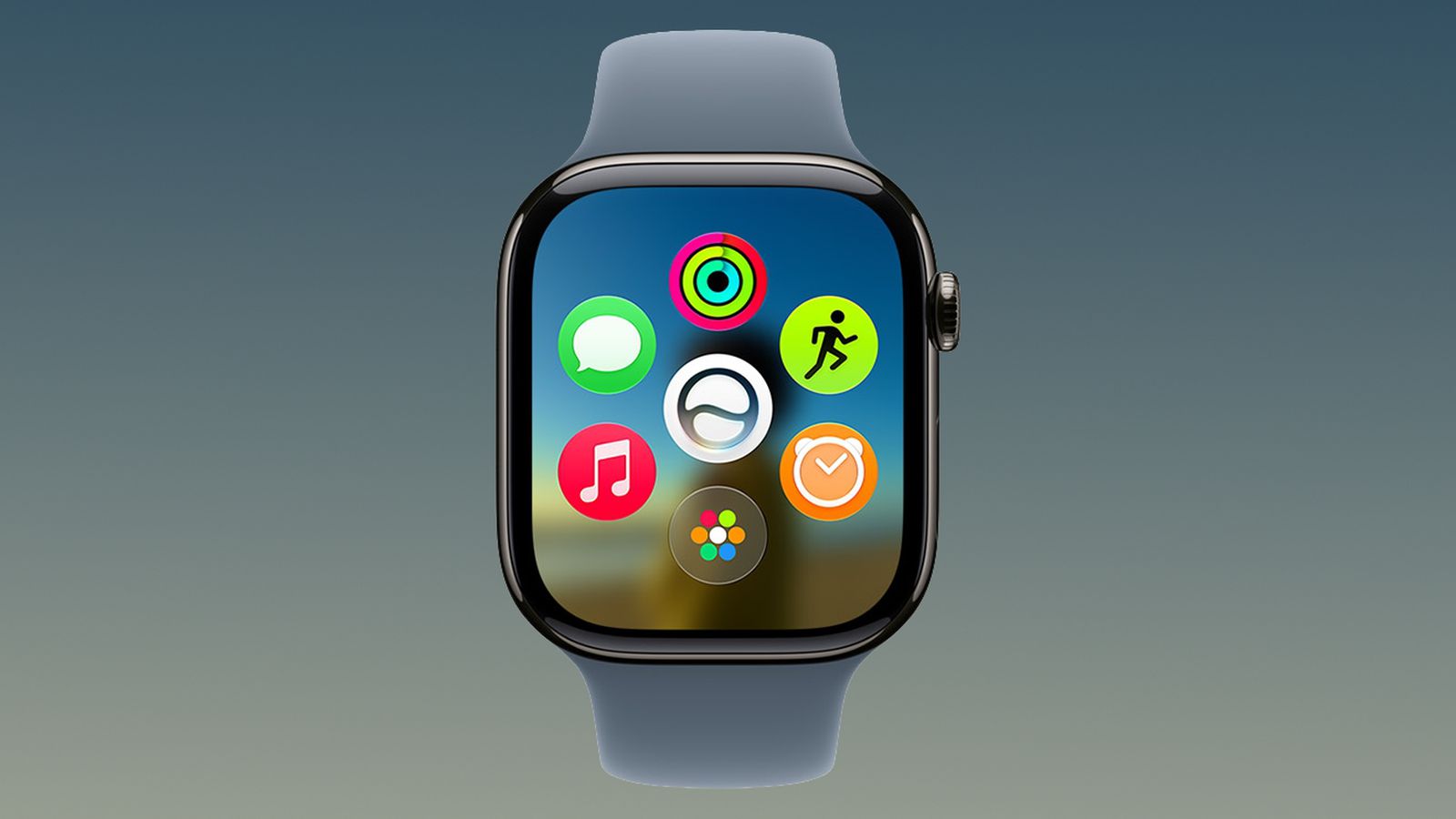 Apple Releases watchOS 27.0.1 With Fix for Restart BugMacRumors, 2026-09-23
 Apple releases watchOS 27.0.1 to fix Apple Watch Series 12 and Ultra 4 bug9to5Mac, 2026-09-23
 New Apple Watch models could restart randomly, and watchOS 27.0.1 fixes that bugAppleInsider, 2026-09-23
Reporting and images linked above belong to their respective publishers and are shown from their own servers. The analysis here is our own.