Jon Prosser's lawyer says Apple's iOS 26 trade secrets are now public, as Apple still waits for his YouTube revenue
A 7 October court filing shows Prosser now argues Apple's iOS 26 secrets are public, while Apple chases his YouTube revenue and Ramacciotti asks for an end date.
Apple and the two men it is suing over the iOS 26 leaks filed a joint status report in federal court in San Francisco on 7 October.
The case is Apple Inc. v. Ramacciotti, number 3:25-cv-06043, before Judge James Donato in the Northern District of California. Apple filed it in July 2025 against Michael Ramacciotti and the YouTuber Jon Prosser, alleging that the two coordinated to get into a development iPhone belonging to an Apple employee and profit from what was on it. Prosser's videos recreated the Liquid Glass design before Apple announced it. MacRumors reported the new filing on 8 October; we read the filing itself, and the account below is taken from it.
What Apple says it is still waiting for
Apple says it deposed Ramacciotti on 17 December 2025 and Prosser on 16 June 2026, a week after the court set aside the default entered against Prosser in October 2025. That default, Apple says, delayed his deposition by almost a year and made him a non-party, so Apple had to subpoena him as a third party in January.
Prosser has produced documents, according to Apple, but not ones it asked for more than three months ago: revenue reports and data analytics for his YouTube channels, and communications with third parties he named in his deposition. Apple says this material goes to his financial gain and to how its information was obtained and passed on. It also says both men's Signal messages to each other, and Prosser's testimony, contradict Ramacciotti's denial of a conspiracy. Apple says it expects fact-finding to finish shortly.
What Prosser now argues
Prosser's lawyer, J. Curtis Edmondson, says Apple sent its formal identification of the trade secrets on 24 September. His argument is that it is hard to tell whether those items are still secret, whether they ever were given earlier disclosures by third parties, or whether the release of iOS 26 and macOS 26 ended their status. He also complains that Apple described the secrets in words without the matching images. He says Prosser has met the terms of the June agreement, and that each production is followed by another informal request.
Apple's answer in the same filing is that this is the first time Prosser has called its identification deficient, and that it is willing to confer about it.
Ramacciotti wants a deadline
Ramacciotti's lawyer, Andrew Purdy, takes a different line. The filing says Ramacciotti acknowledges accessing the tester phone of a former Apple employee, Ethan Lipnik, and gave Apple's forensic consultants several dozen devices and full access to his iCloud and Google Drive accounts. He asks for an in-person conference before the end of October and a deadline, within 30 days of it, for Apple to drop its claims against him or commit to trial. He says he cannot pay any sum that would matter to Apple, and that any fight Prosser wants is between Prosser and Apple.
The filing quotes Judge Donato calling the claims against Ramacciotti "kind of a one-and-done thing" at a hearing in October 2025. If no conference is granted, the next report is due on 2 December.
Does releasing iOS 26 end the trade secret claim?
Nothing in the filing settles it, and the court has not ruled. As we understand trade secret law, the usual question is whether the information was secret when it was taken and used, not whether it is public now. On that reading the release of iOS 26 matters more to the injunction Apple asked for, which loses much of its point once the software has shipped, than to damages for a head start already gained. Prosser's other point, that some items may have been public through third parties before he saw them, is the one with more potential, because it goes to whether they were secrets at all.
Our take
The revenue records are the centre of this. A case against a YouTuber is only worth Apple's time as a deterrent if it can show that leaking pays and then take that pay away, which is why it wants the channel analytics rather than more screenshots. Ramacciotti's lawyer has effectively told the court there is nothing to collect from his client, which leaves Prosser as the defendant who matters to Apple.
APPDOOK's reading is that the case is now testing Apple's patience more than its legal theory. Ramacciotti says Apple has had his devices since November 2025, Apple has had Prosser's testimony since June, and the judge said a year ago he wanted it cheap and quick. A judge who sets the deadline Ramacciotti asks for would push Apple to say plainly what it still needs. The December report, if it comes to that, should show whether Prosser has handed over the revenue figures, and that is the document most likely to decide whether this ends in a settlement.
Sources
 Apple Inc. v. Ramacciotti, joint status report, document 38US District Court, Northern District of California, via CourtListener, 2026-10-07
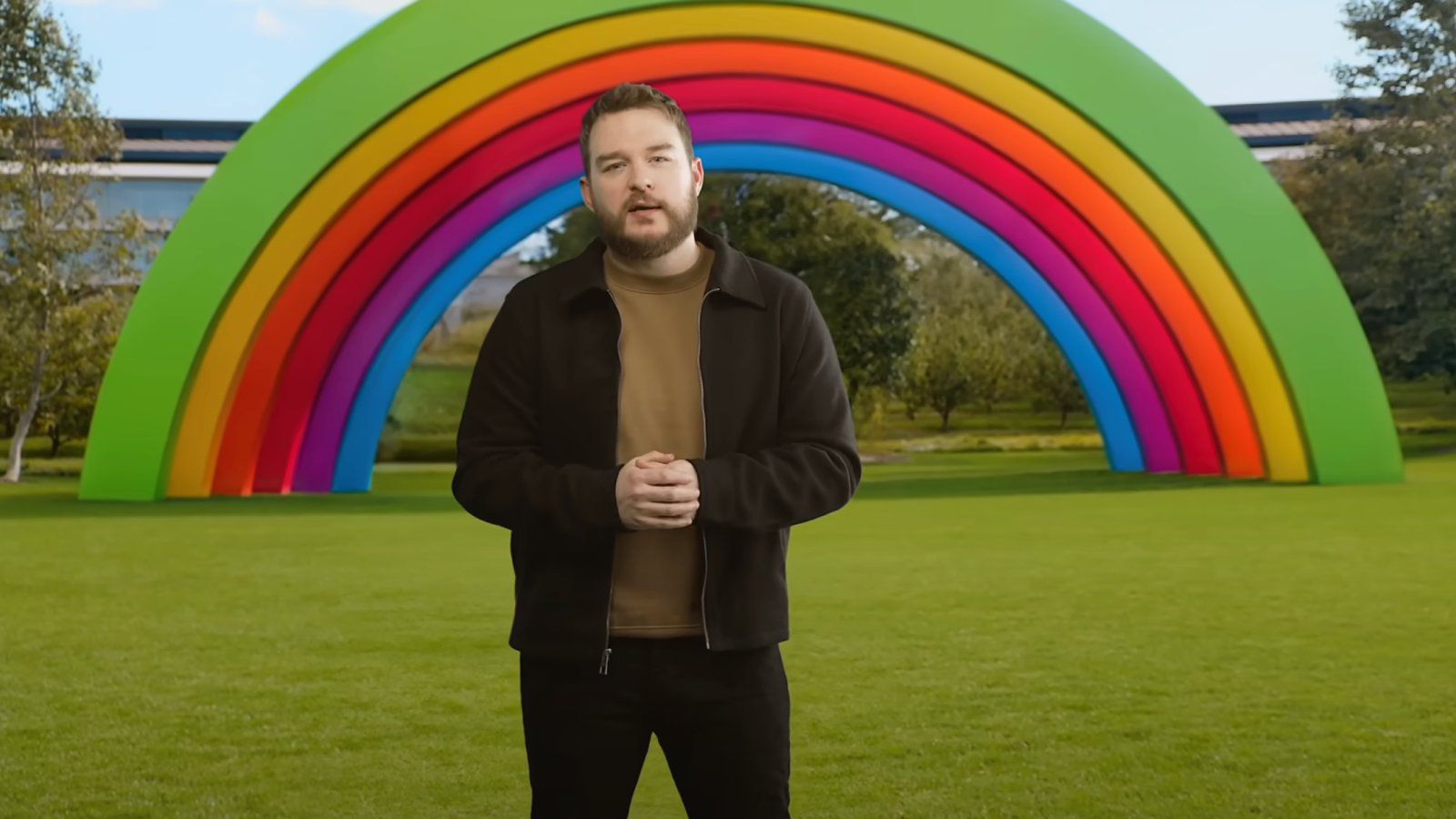 Leaker Jon Prosser Pushes Back as Apple Seeks His YouTube DataMacRumors, 2026-10-08
- YouTuber Jon Prosser Responds to Apple's Lawsuit Over iOS 26 LeaksMacRumors, 2026-07-02
Reporting and images linked above belong to their respective publishers and are shown from their own servers. The analysis here is our own.