
Square can now sync business listings to Apple Maps and Siri
Square sellers can now connect their locations to Apple Business from the Square Dashboard, syncing hours and contact details to Apple Maps and Siri.
Square announced on 24 September 2026 that its sellers can connect their business locations to Apple Business directly from the Square Dashboard.
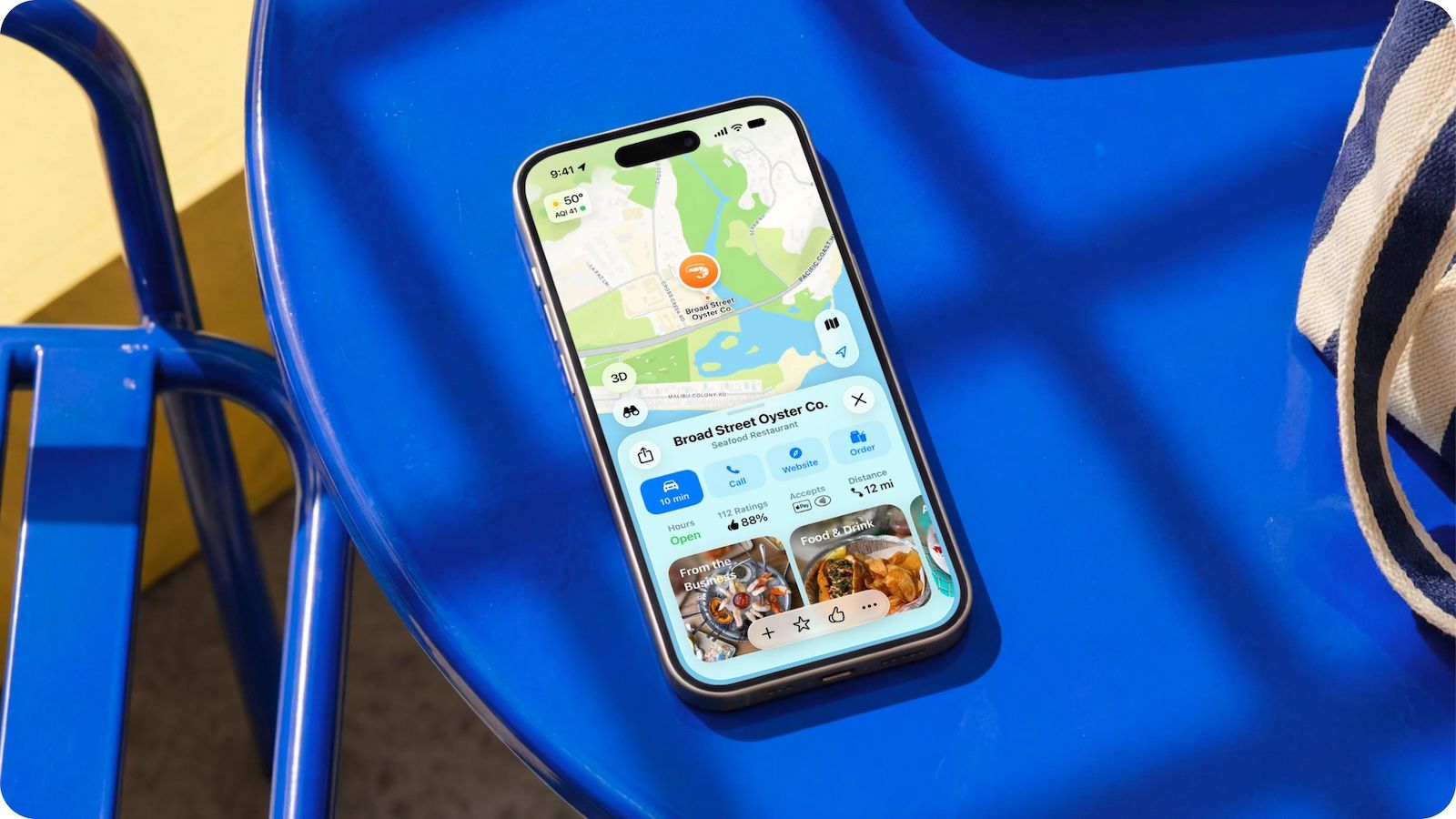
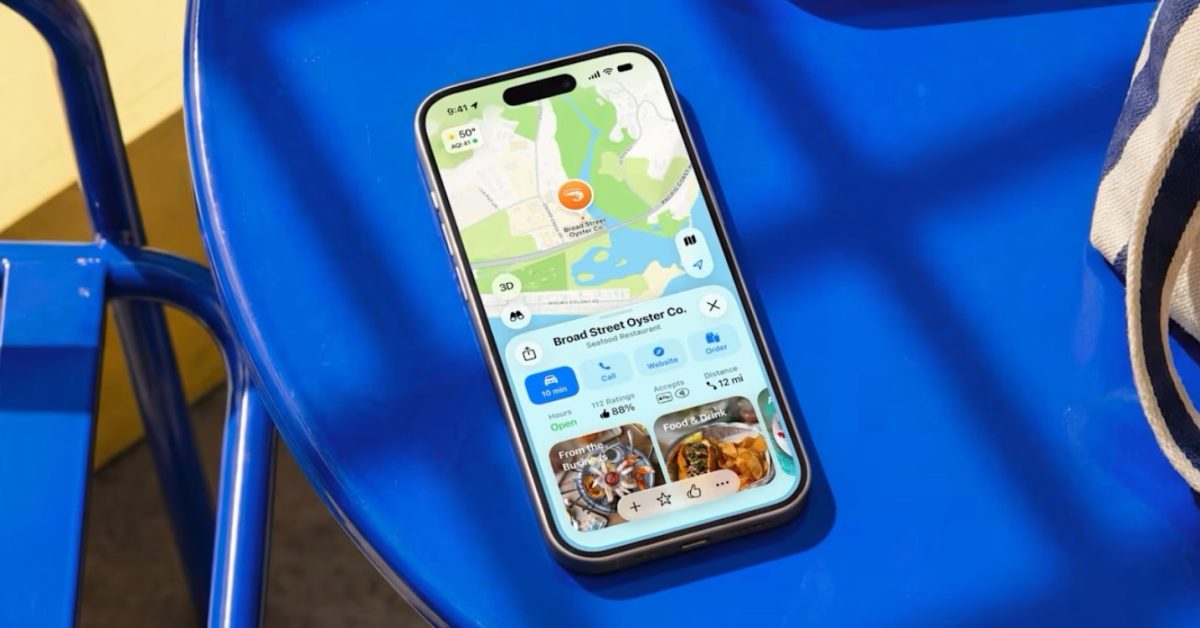
The integration keeps a business's location details in step with what Apple shows customers. Hours, address and telephone number sync automatically, and a seller can set a logo across connected locations so it appears on the place card in Apple Maps. Square says the synchronised information reaches Apple Maps, Siri AI, Apple Wallet and other Apple apps, rather than Maps alone. Sellers can also attach action links to a place card, and Square names six: Menu, Order, Pickup, Delivery, Book and Schedule Appointment.
It is live in eight countries: Australia, Canada, France, Ireland, Japan, Spain, the United Kingdom and the United States. Morgan Kuntze, Global Partnerships Lead at Block, frames the reasoning around discovery, saying that the survival of local businesses "hinges on whether customers can find them".
Two numbers appear in Square's announcement and both are Apple's rather than Square's. Square links them to Apple Business's own pages: claimed locations are said to get 30 percent more views on Apple Maps, and custom action buttons to raise clickthrough rates by 31 percent across website, call and action buttons. Neither figure is independently measured, and neither Square nor Apple publishes the methodology behind them.
Our take
The thing worth understanding here is that Apple Business Connect is not new and is not restricted to Square. Any business can claim its own place card and edit these fields directly, for nothing. What Square has added is the plumbing: the details a seller already maintains for their till, their online ordering and their receipts now propagate to Apple without being retyped into a second system. That is a smaller announcement than the coverage implies and a more useful one than it sounds.
It is useful because the failure mode it addresses is not businesses refusing to update their Apple listing, it is businesses forgetting one of the several places that needs updating. A cafe that changes its winter hours updates the thing it looks at daily. The Apple Maps card, which the owner may never have opened, keeps last summer's times, and the customer who turns up at a locked door blames the shop rather than the map. Removing a manual step is exactly the right fix for a problem caused by a manual step being skipped.
We would treat the two percentages with more caution than the reporting has. A claim that claimed locations get 30 percent more views is a comparison between businesses that maintain their listing and businesses that do not, and the businesses that bother are not otherwise identical to the ones that do not. They are likelier to be trading actively, to have current photographs and to be the sort of operation customers seek out. Some of that 30 percent is the listing working and some is the kind of business that claims a listing. Apple is not claiming causation outright, but the number is doing causal work in the announcement, and it arrived with no methodology attached.
The Siri AI mention is the part with the longest reach and the least detail. If a business's hours and action links are reaching Siri rather than only the Maps card, then the assistant is answering questions about opening times and bookings from this data, and the accuracy of a small shop's record becomes an input to a system people ask out loud. Square says the information appears across Apple apps and services and does not elaborate. There is no API described here, no developer documentation announced alongside it, and nothing about what happens when Square's record and a manually edited Apple record disagree. We are not going to guess at a conflict resolution rule that nobody has published.
For anyone building point-of-sale or booking software, the strategic read is straightforward. Apple has spent two years turning Business Connect from a listings tool into a distribution surface that feeds Maps, Wallet and now the assistant, and it is being populated through partners rather than by Apple chasing individual merchants. Square is a large partner doing that work. If your product holds a merchant's canonical hours and location, being the system that writes them into Apple's record is worth more than it looks, because whoever owns that sync becomes the place the merchant maintains the truth.
Sources
- Square Integrates Apple Business to Help Local Businesses Stand Out on Apple MapsSquare, 2026-09-24
 Square Announces Apple Business IntegrationMacRumors, 2026-09-24
 Square now integrates with Apple Business to improve Maps listings9to5Mac, 2026-09-24
Reporting and images linked above belong to their respective publishers and are shown from their own servers. The analysis here is our own.