Tap to Pay on iPhone reaches eight more Latin American countries
Apple has switched on Tap to Pay on iPhone in eight more Latin American countries, letting merchants take contactless payments without a card reader.
Apple made Tap to Pay on iPhone available in eight more Latin American countries on 22 September 2026.
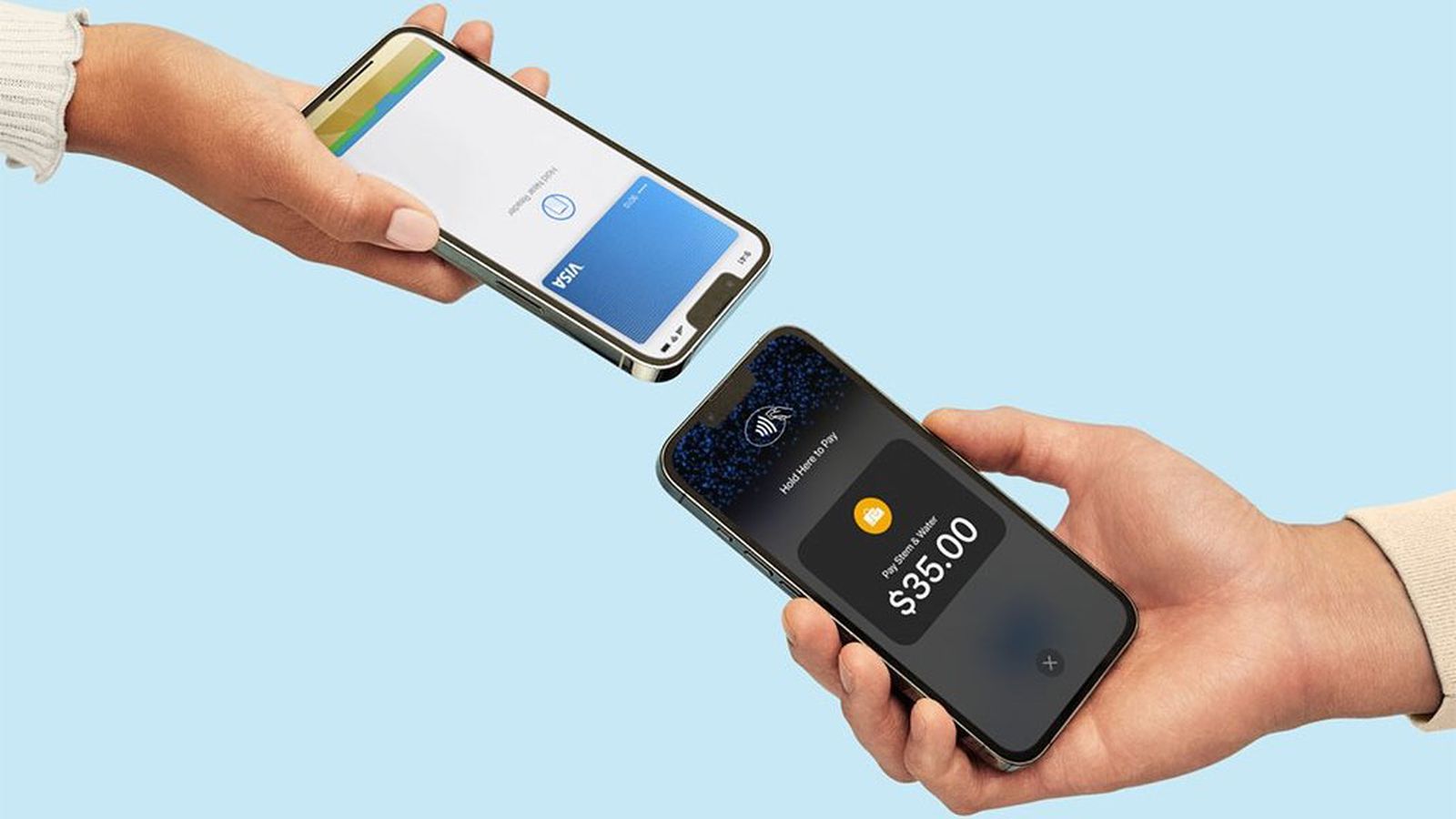
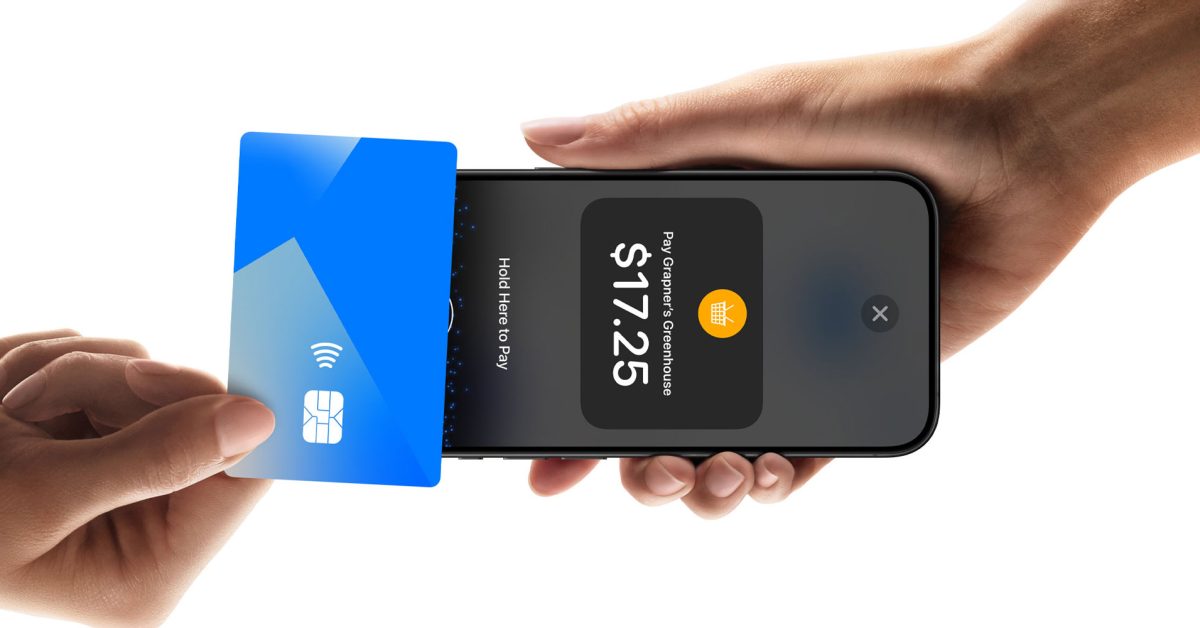
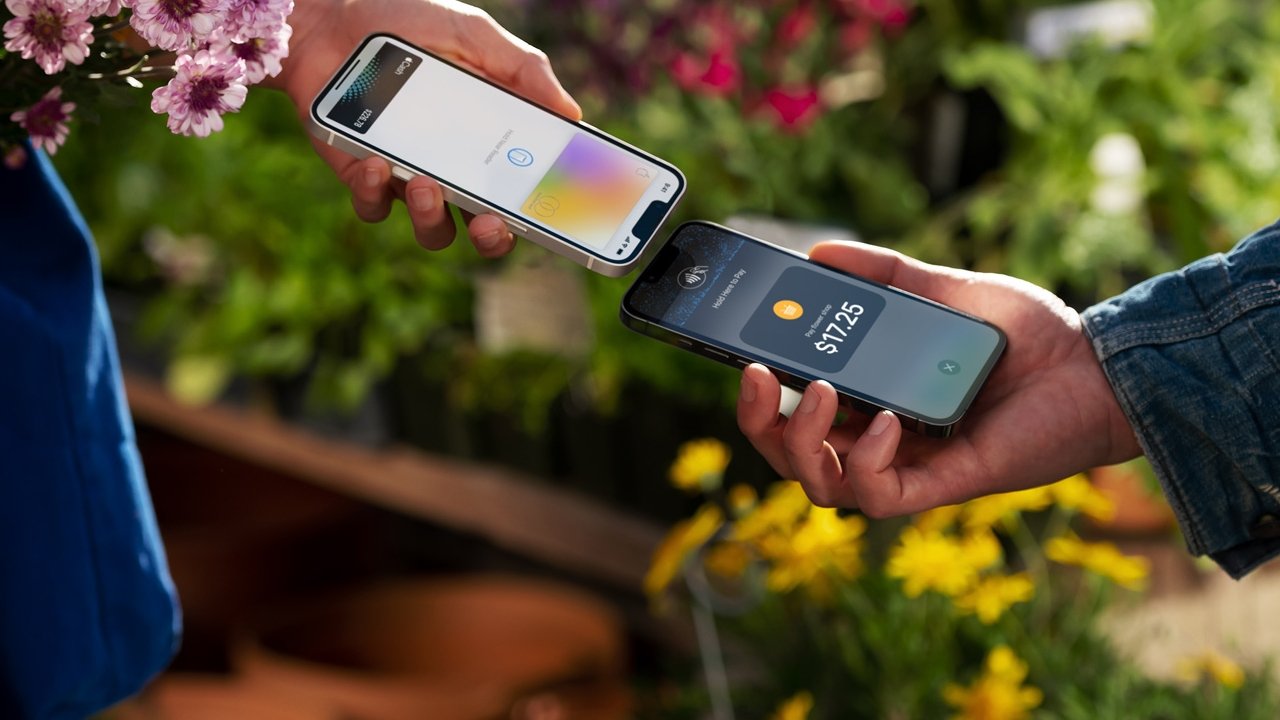
The eight are Argentina, Colombia, Costa Rica, the Dominican Republic, Guatemala, Honduras, Panama and Peru. Tap to Pay on iPhone lets a business accept an in-person contactless payment using an iPhone and a supported app, with no card reader, dongle or terminal involved. The customer holds a contactless debit or credit card, an iPhone, an Apple Watch or another supported wallet near the merchant's phone, and the transaction completes over NFC. Apple says the feature works with contactless cards from the major networks, naming American Express, Mastercard and Visa. AppleInsider puts the hardware requirement at iPhone XS or newer running a current version of iOS.
Apple announced the expansion through its Latin America and Caribbean Newsroom rather than its main one, which is why it surfaced through 9to5Mac before the other outlets. The feature itself is not new. Apple introduced Tap to Pay on iPhone in the United States in 2022 and has been adding countries steadily since.
Which payment platforms are live in each country
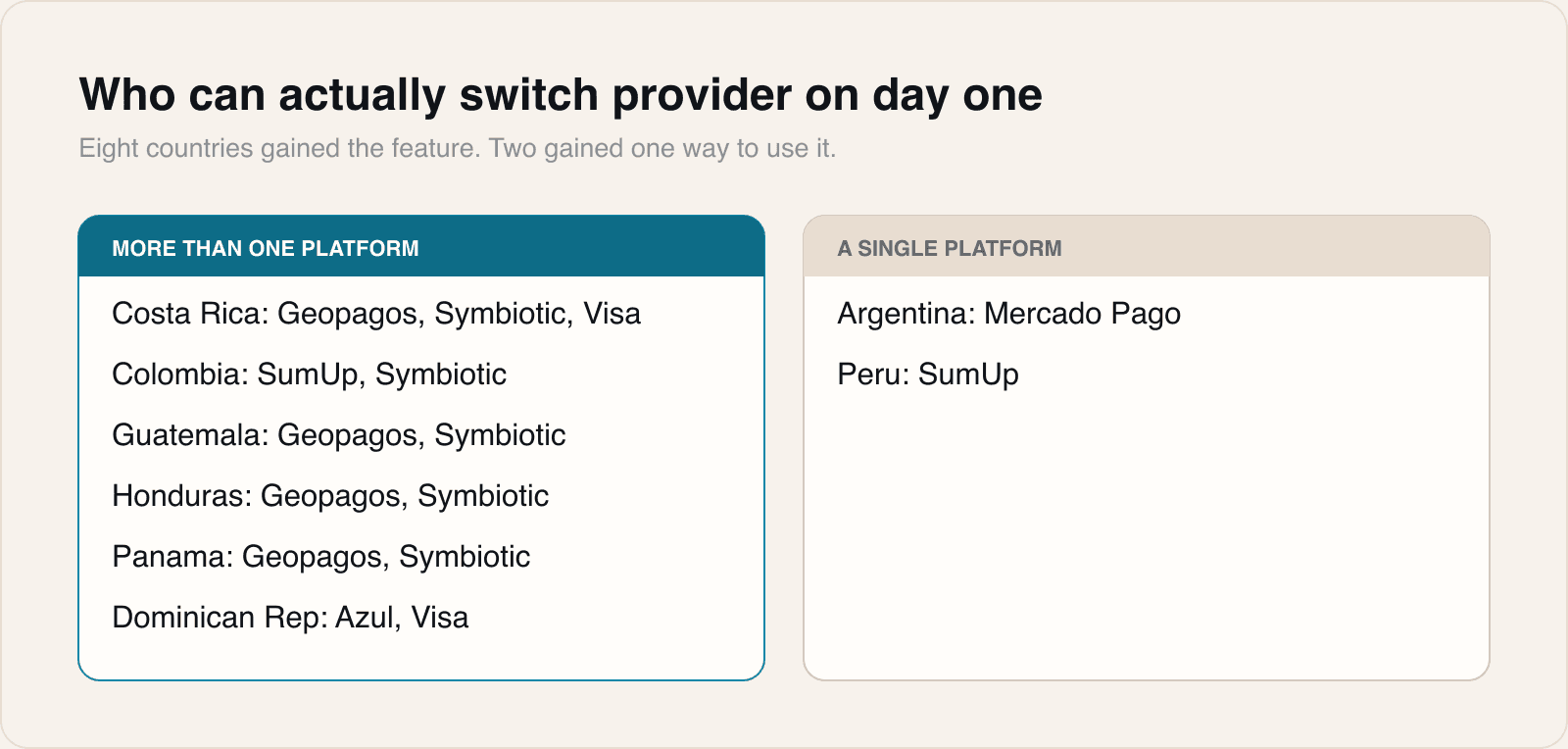
Availability is not uniform, because Tap to Pay on iPhone is never something a merchant switches on directly. It arrives through a payment platform, and Apple's post lists which platforms support it in which country. Six platforms appear across the eight markets: Geopagos, Symbiotic, SumUp, Visa Acceptance Solutions, Mercado Pago and Azul. Costa Rica has three, Colombia, the Dominican Republic, Guatemala, Honduras and Panama each have two, while Argentina has Mercado Pago alone and Peru has SumUp alone.
That distribution is the detail the headline count obscures. A merchant in Panama can pick between two providers and compare what each charges. A merchant in Argentina who wants to take contactless payments on an iPhone can do so through Mercado Pago or not at all.
What it means
The interesting thing about a Tap to Pay launch is that Apple is not the party doing most of the work, and the announcement rather flattens that. Apple provides the NFC access and the security model; the acquirer does the underwriting, the settlement, the merchant onboarding and the pricing. So eight countries gaining the feature on the same day does not mean eight countries gaining the same thing. It means six companies finished their integrations and Apple published the list.
This matters most in Argentina and Peru, and we would not treat those two as equivalent to the other six. Mercado Pago is the dominant payments platform across much of Latin America, so Argentina getting it alone is less a limitation than it first reads, but it still means a single company sets the rate at which an Argentinian small business can accept a tap. Competition on merchant fees is the whole reason a merchant cares about this feature rather than the hardware saving, and in two of these eight markets there is none of it yet. The pattern in the other six, where Geopagos and Symbiotic appear together repeatedly, suggests the regional acquirers moved as a group and the exceptions are where no second integration was ready rather than where Apple made a choice.
For anyone building point-of-sale software, the practical shape of this is unchanged from every previous expansion and worth restating because it catches people out. There is no route to Tap to Pay on iPhone that goes through Apple alone. The ProximityReader API needs an entitlement Apple grants on request, and the entitlement is only useful once a payment service provider in that country supports it, which means the country list and the platform list have to line up before an app can do anything. An app shipped into Argentina against Mercado Pago's integration is not portable to Peru, where SumUp is the only option. That is a per-market commercial arrangement rendered as a technical dependency, and it is the reason these launches arrive country by country rather than region by region.
What Apple has not said is anything about the rest of the region. Brazil, Chile, Mexico and Uruguay are conspicuous by their absence from a list of eight Latin American countries, and Apple's post gives no timeline for any of them. We would read the omissions as acquirer readiness rather than as anything about Apple's intentions, on the evidence that this launch was shaped by which integrations were finished. But that is our inference, and Apple has offered nothing either way.
Sources
 Apple Announces 'Tap to Pay on iPhone' Availability in 8 More CountriesMacRumors, 2026-09-22
 Apple expands Tap to Pay on iPhone across eight Latin American markets9to5Mac, 2026-09-22
 Apple expands Tap to Pay on iPhone to eight more Latin American countriesAppleInsider, 2026-09-22
Reporting and images linked above belong to their respective publishers and are shown from their own servers. The analysis here is our own.