
iPhone Duo's folding screen has a replaceable cover layer, and Apple's service price is $19 with AppleCare+
Apple's Kate Bergeron says the iPhone Duo's inner screen has a cover layer that can be peeled off and replaced, for $19 under AppleCare+ in the US.
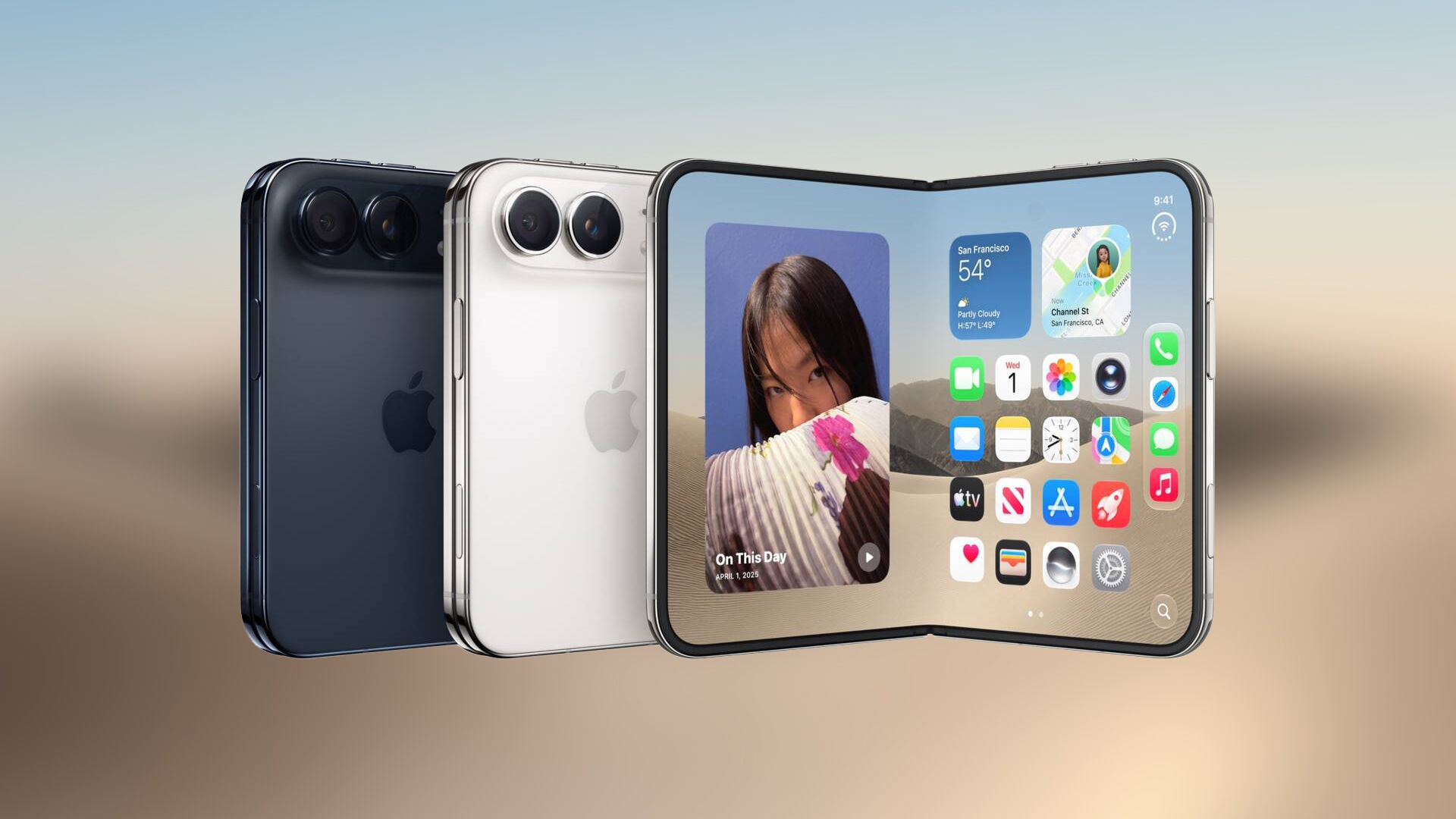
Apple's vice president of hardware engineering, Kate Bergeron, has said the iPhone Duo's inner folding display carries a cover layer that can be removed and replaced.
Bergeron made the comment in a short video interview with the creator behind the @angietutorials account, posted on TikTok and Instagram and reported by 9to5Mac, MacRumors and AppleInsider on 1 October. Her words were that the layer is actually replaceable, and that you can peel it off and get a new one. The layer is the nano-texture polymer surface on top of the folding panel, which Apple uses to soften the look of the crease and to take everyday wear. No source gives the date the interview was recorded, and Apple has published no support document about the layer.
What does it cost to replace?
In the US, $19 with active AppleCare+, according to all three outlets and Gizmodo. The figure was first spotted in Apple's service pricing by Quinn Nelson of Snazzy Labs. AppleInsider's web address for its story says 29, but its headline and text both say 19, and $29 is the separate AppleCare+ fee for the outer display or back glass. AppleInsider lists $99 for a full inner display and $149 for theft or loss. No price without AppleCare+ has been disclosed.
MacRumors says the work is done at Apple Stores and authorised service providers. Whether an owner can do it at home is not settled. Gizmodo's Raymond Wong argues strongly against peeling it yourself, pointing to Samsung's early Galaxy Fold, whose owners removed what looked like a screen protector and damaged the panel beneath. Apple has not said either way.
Shot on iPhone Duo, and a sales forecast
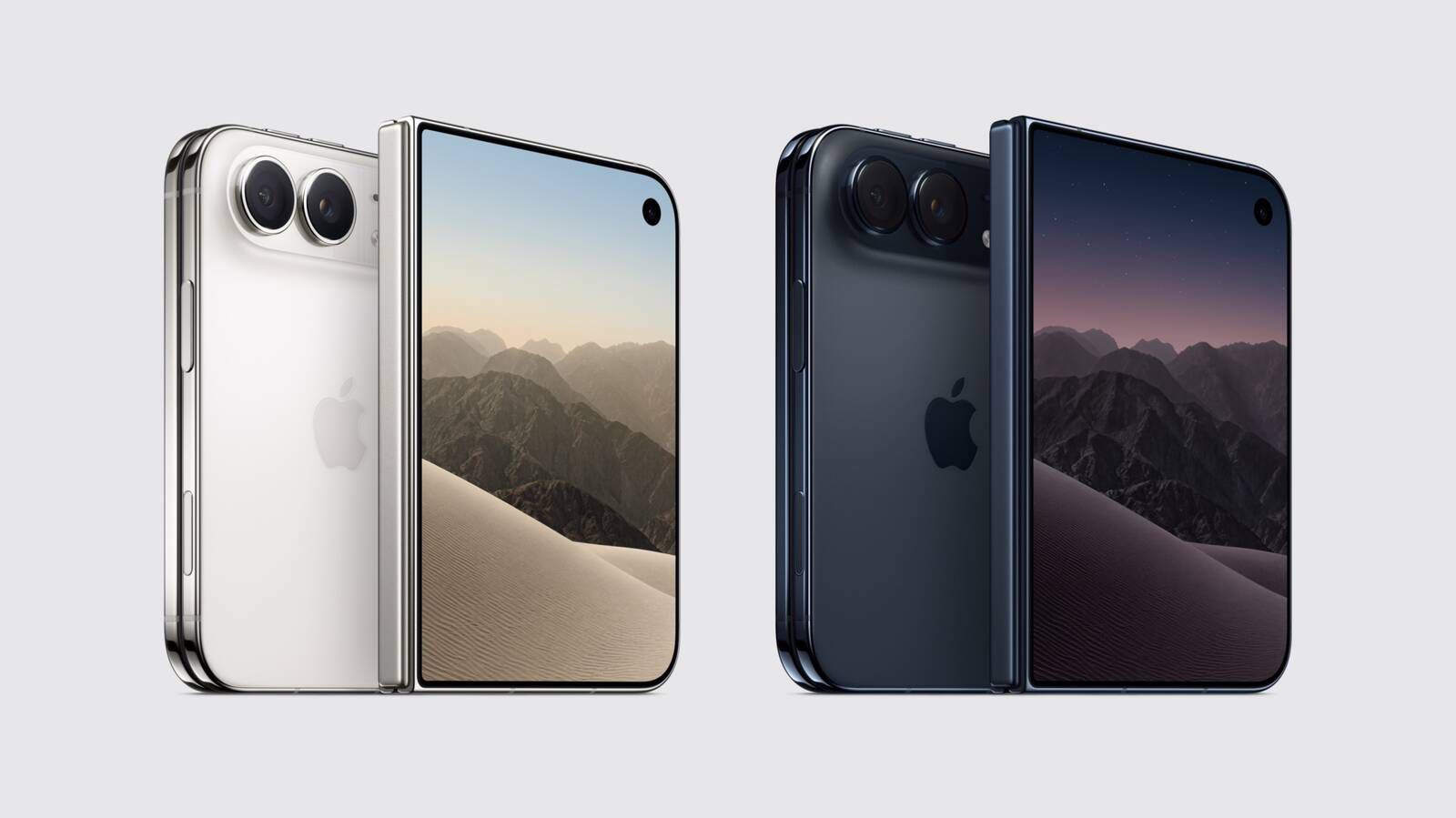
Apple also began its Shot on iPhone Duo campaign on 1 October, with six commissioned photographs by Jake Michaels and Jason Nocito on its Instagram account rather than its newsroom. Separately, Counterpoint Research analyst Ivan Lam told Bloomberg he expects around six million iPhone Duo units in 2026, depending on how production ramps. TrendForce forecast five million in September. Both are estimates, and both sit against assembly yields reported near 60 per cent. Pre-orders open on 16 October and the phone goes on sale on 23 October from $1,999.
Our take
A replaceable top layer is the most practical answer yet to the question every folding phone faces, which is what the inner screen looks like after a year. Bergeron has already asked to be held accountable on the crease, and a $19 layer turns some of that promise into a service: scuffs and micro-scratches on the surface you touch become a cheap fix, not a $99 screen.
It is worth being exact about what it does not do. iClarified notes that a fresh layer makes the crease less visible but does not remove the fold in the panel underneath. Damage below the layer is still a display replacement. And $19 is the AppleCare+ price; the real cost for an owner without it is unknown, which is the number that decides whether this is a feature or an upsell.
APPDOOK's advice to anyone ordering an iPhone Duo is to treat the inner layer as a consumable, the way a screen protector is, and to budget for AppleCare+ on a first-generation folding phone. The advice not to peel it yourself is sound until Apple says otherwise.
Sources
 Apple says iPhone Duo has 'replaceable' folding display layer to minimize crease9to5Mac, Ryan Christoffel, 2026-10-01
 Apple Says iPhone Duo Has Replaceable 'Cover Layer'MacRumors, Joe Rossignol, 2026-10-01
 iPhone Duo inner display has a replaceable $19 top layerAppleInsider, Wesley Hilliard, 2026-10-01
 Don't Peel the Nano-Texture Layer off the iPhone Duo's Inner ScreenGizmodo, Raymond Wong, 2026-10-01
 Apple Shares Photos Shot on iPhone DuoMacRumors, Joe Rossignol, 2026-10-01
 iPhone Duo expected to sell six million units by end of 2026AppleInsider, Malcolm Owen, 2026-09-30
Reporting and images linked above belong to their respective publishers and are shown from their own servers. The analysis here is our own.