Apple Watch SE 3 or Series 12: what the extra $150 buys, and what the SE 3 leaves out
The Apple Watch SE 3 starts at $249 and the Series 12 at $399. What the difference buys, from Apple's own specifications, and who should pick which.
This guide compares the two Apple Watch models that most buyers choose between this autumn: the Apple Watch SE 3, from $249, and the Apple Watch Series 12, from $399.
Every specification and price below comes from Apple's own technical specifications pages and its US online store, as they stood on 1 October 2026. Both watches need an iPhone 11 or later, or an iPhone SE of the second generation or later, running iOS 27. The SE 3 is not new this year. Apple's own battery footnotes say it was tested in July and August 2025, so it is last year's model kept on sale, while the Series 12 was announced in September 2026.
How the two watches differ
Apple Watch SE 3 | Apple Watch Series 12 | |
|---|---|---|
US price, GPS | $249 (40mm), $279 (44mm) | $399 (42mm), $449 (46mm) |
US price, GPS + Cellular | $299 (40mm), $329 (44mm) | $499 (42mm), $549 (46mm) |
Chip | S10 | S11 |
Case materials | Aluminium | Aluminium, titanium, ceramic |
Display area, larger size | 977 sq mm (44mm) | 1196 sq mm (46mm) |
Peak brightness | 1000 nits | 2000 nits |
Front cover | Ion-X glass | Ceramic Shield 2 or sapphire |
Normal battery life | Up to 18 hours | Up to 24 hours |
0 to 80% charge | About 45 minutes | About 30 minutes |
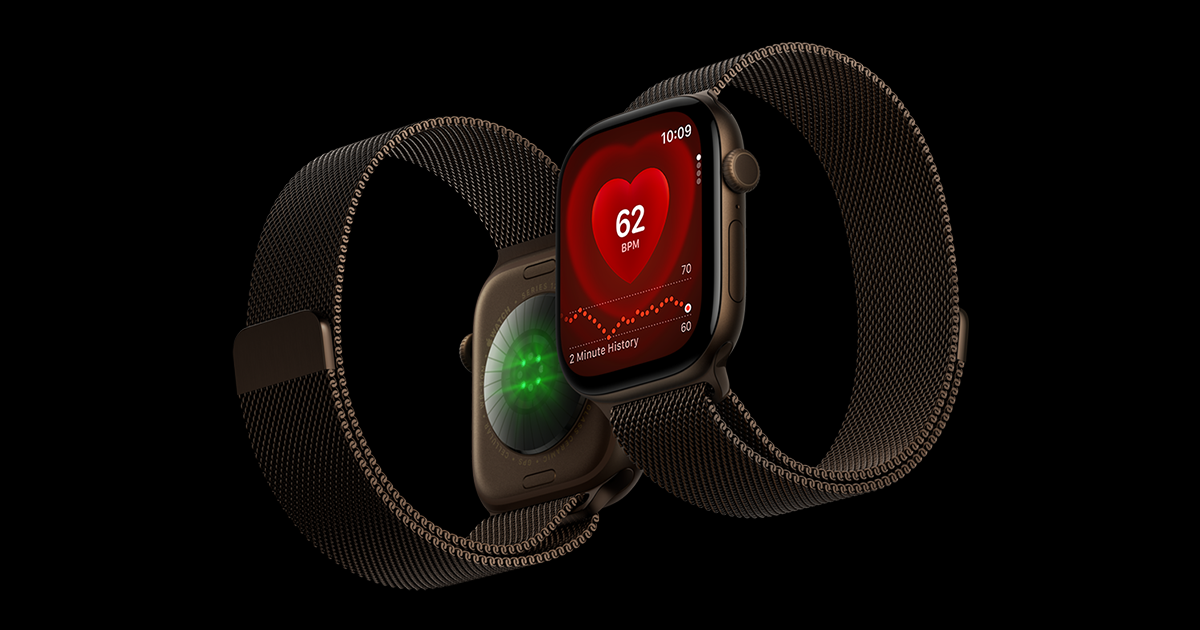
Heart sensors | Optical | Optical and electrical (ECG) |
Blood oxygen sensor | No | Yes |
Dust resistance | No rating listed | IP6X |
Ultra Wideband | No | Second generation |
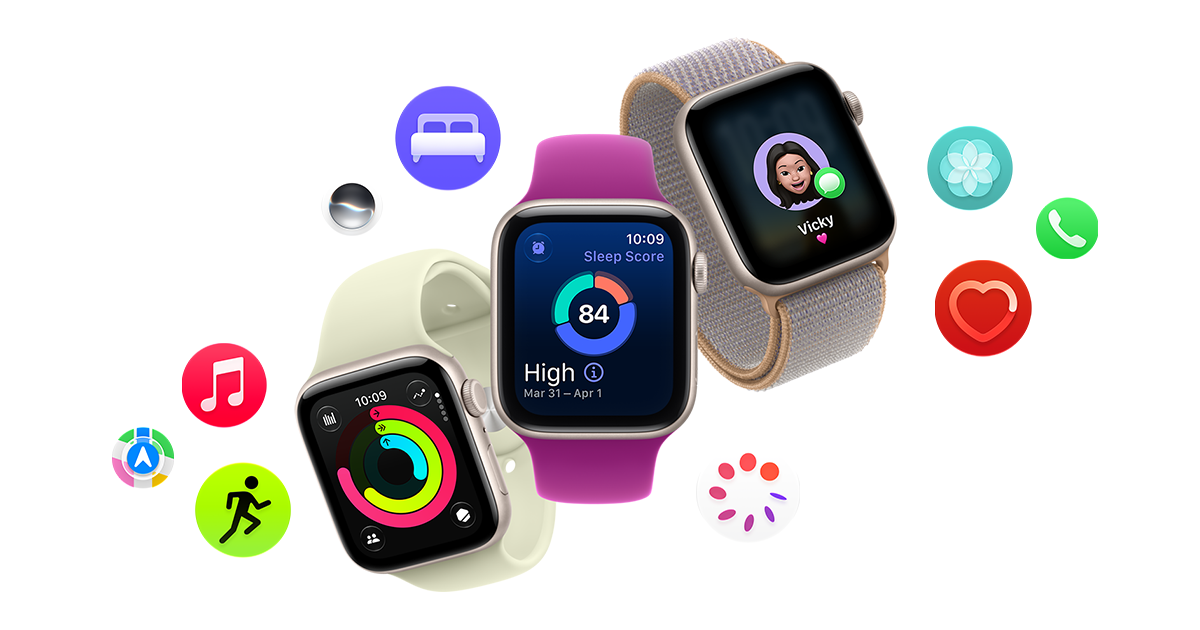
Both are water resistant to 50 metres, both have 64GB of storage, an always-on OLED display, a temperature sensor, crash and fall detection, sleep stages and a sleep score, and sleep apnea notifications. Both offer 5G on their cellular models. The shared list is longer than the different one, which is the point of the SE.
What the Series 12 adds
Apple's Series 12 page lists these, and the SE 3 page does not:
- An ECG app, a Blood Oxygen app and hypertension notifications, from what Apple calls its Health Sensing System
- A Readiness app, Recovery HRV and a Vitals app that adds heart rate variability
- High-frequency background heart rate tracking
- A depth gauge to 6 metres and a water temperature sensor
- Precision L1 GPS, 5GHz Wi-Fi and a second-generation Ultra Wideband chip
- A 1Hz refresh rate on the always-on display, and a 1 nit minimum brightness against 2 nits
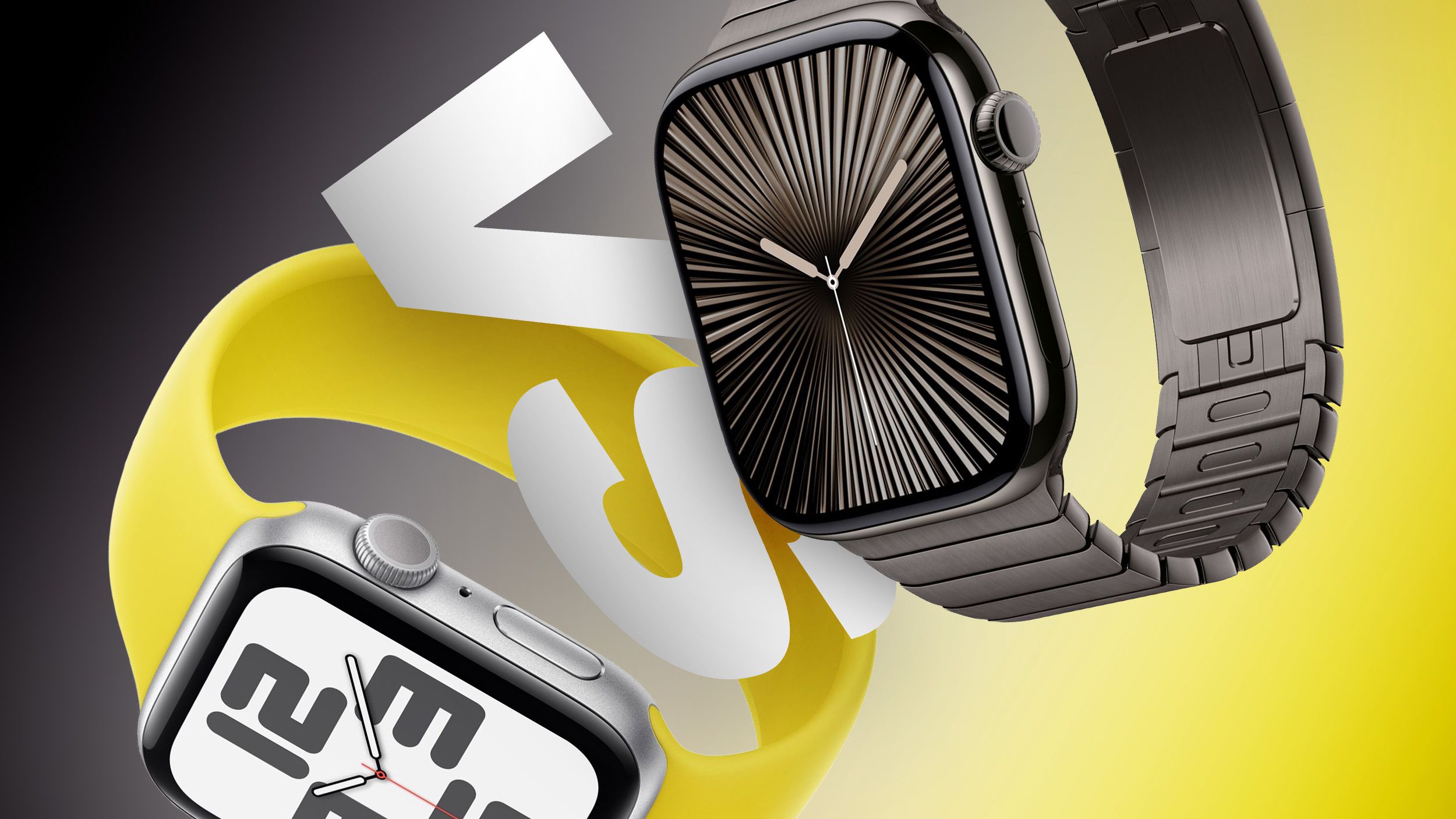
- Titanium and ceramic cases, with a sapphire front on both
Apple also lists Audio Intelligence on the Series 12: Live Rewind, Siri Recap, Shazam and Sound Recognition. Two of those are not out yet. When we reported how Live Rewind and Siri Recap will work on the Series 12, Apple said they would not be available in the EU at first.
Which one should you buy?
Buy the SE 3 if the watch is for notifications, workouts, sleep tracking and safety features, and you do not need a medical-grade reading. At $249 it has the always-on display, temperature sensing and sleep apnea notifications, features once reserved for the Series line, and the safety features that matter most for an older relative or a child: fall detection, crash detection and Emergency SOS.
Buy the Series 12 if you will use the health readings: an ECG, blood oxygen, hypertension notifications, and the recovery and readiness figures for training. Buy it too if you are hard on a battery. Six more hours of normal use, and 80% charge in about 30 minutes rather than 45, make overnight sleep tracking much easier to live with.
Our take
The $150 between the base models buys three things, in order of how much they matter: sensors, battery and screen. The case material is a separate decision - titanium starts at $699 and ceramic at $899 - and it changes nothing about what the watch measures. APPDOOK's view is that the aluminium Series 12 at $399 is the one to compare with the SE, not the titanium or ceramic models, which are jewellery decisions with a watch inside.
Battery is the difference buyers underestimate. Apple's 18 hours for the SE 3 comes from a test day of 18 hours with no sleep tracking in it, so an SE 3 worn to bed is a watch that has to charge every morning. The Series 12's 24 hours includes six hours of sleep tracking in Apple's own test, and its fast charge gives 10 hours of sleep tracking from five minutes on the charger. For anyone buying a watch to track sleep, that alone may settle it.
The SE 3 leaves out exactly the features that need a new sensor, and that line will not move with a software update. An ECG needs the electrical heart sensor, and blood oxygen needs its own sensor. Nothing in watchOS can add them to an SE 3 later. Buying the SE now and hoping is the wrong plan. Buy it because what it has is enough.
Two caveats on the Series 12. It is not a strict superset of what came before: we reported that the Series 12 and Ultra 4 dropped automatic handwashing detection. And early units restarted on their own until watchOS 27.0.1 fixed the restarts, so anyone buying one now should update before judging it. Siri AI runs on both models, in beta, in English only to start and not initially in the EU, according to Apple's footnotes, so it is not a reason to choose either.
What Apple's pages do not tell you is whether the SE line will get a fourth model next September. A year-old SE 3 at full price is still good value by Apple's standards. A buyer who can wait for the usual autumn discounts at other retailers will pay less for the same watch.
Sources
 Apple Watch Series 12 - Technical SpecificationsApple, 2026-09-09
 Apple Watch SE 3 - Technical SpecificationsApple, 2026-09-09
Buy Apple Watch Series 12Apple, 2026-10-01
Buy Apple Watch SE 3Apple, 2026-10-01
 Apple Watch SE 3 vs. Series 12 Buyer's Guide: Which Should You Buy?MacRumors, 2026-09-30
Reporting and images linked above belong to their respective publishers and are shown from their own servers. The analysis here is our own.