What reviewers found in the iPhone 18 Pro Max cameras: a wider aperture most rate as a modest gain
Four camera reviews of the iPhone 18 Pro Max agree the f/1.48 aperture helps in low light and disagree on whether the variable iris is worth having.
This is a round-up of four independent reviews of the iPhone 18 Pro Max cameras, published between 16 and 30 September by reviewers who shot with the phone themselves.
The reviews are Mark Spoonauer's for Tom's Guide, Iain Anderson's for ProVideo Coalition, GSMArena's camera test and Wesley Hilliard's camera feature for AppleInsider. Ben Lovejoy's column for 9to5Mac, shot on the smaller iPhone 18 Pro, is included on one point, video stabilisation. None of the findings below come from our own testing; each is attributed to the reviewer who reported it.
What changed in the hardware
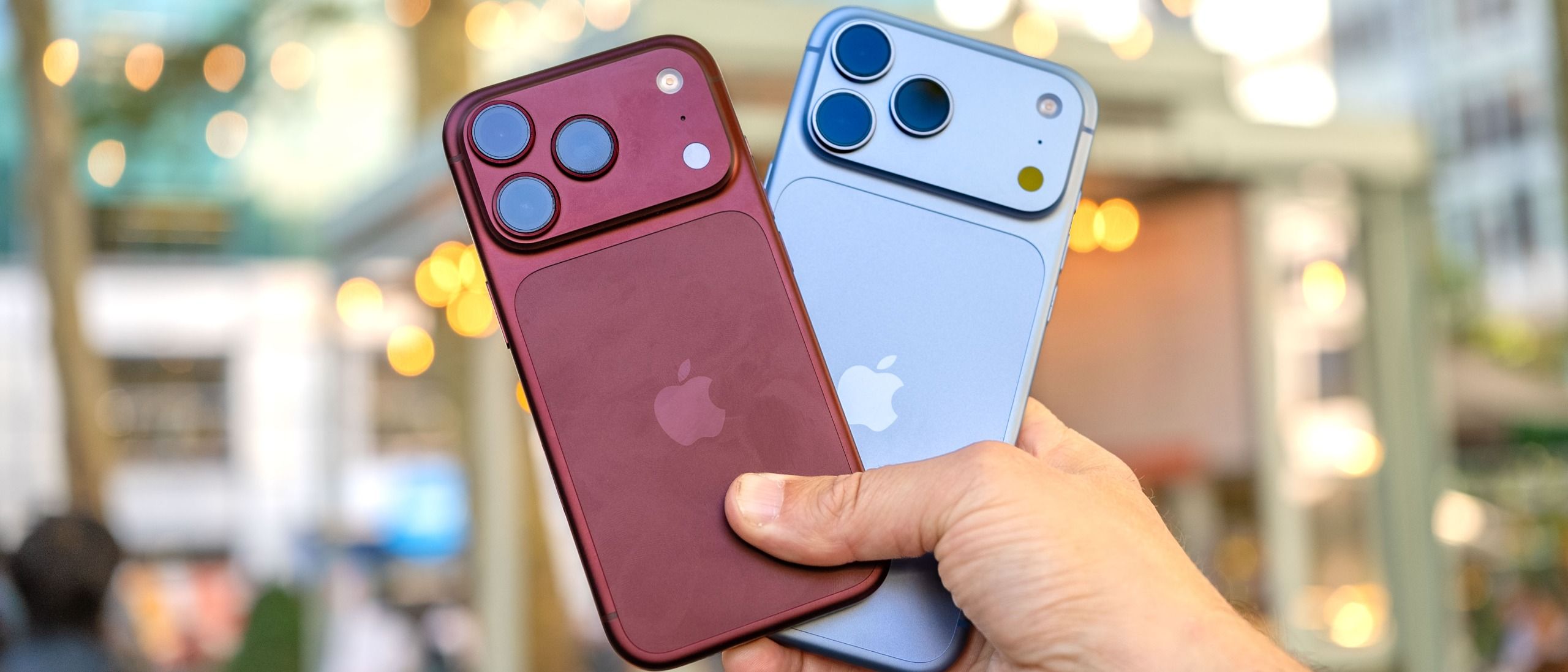
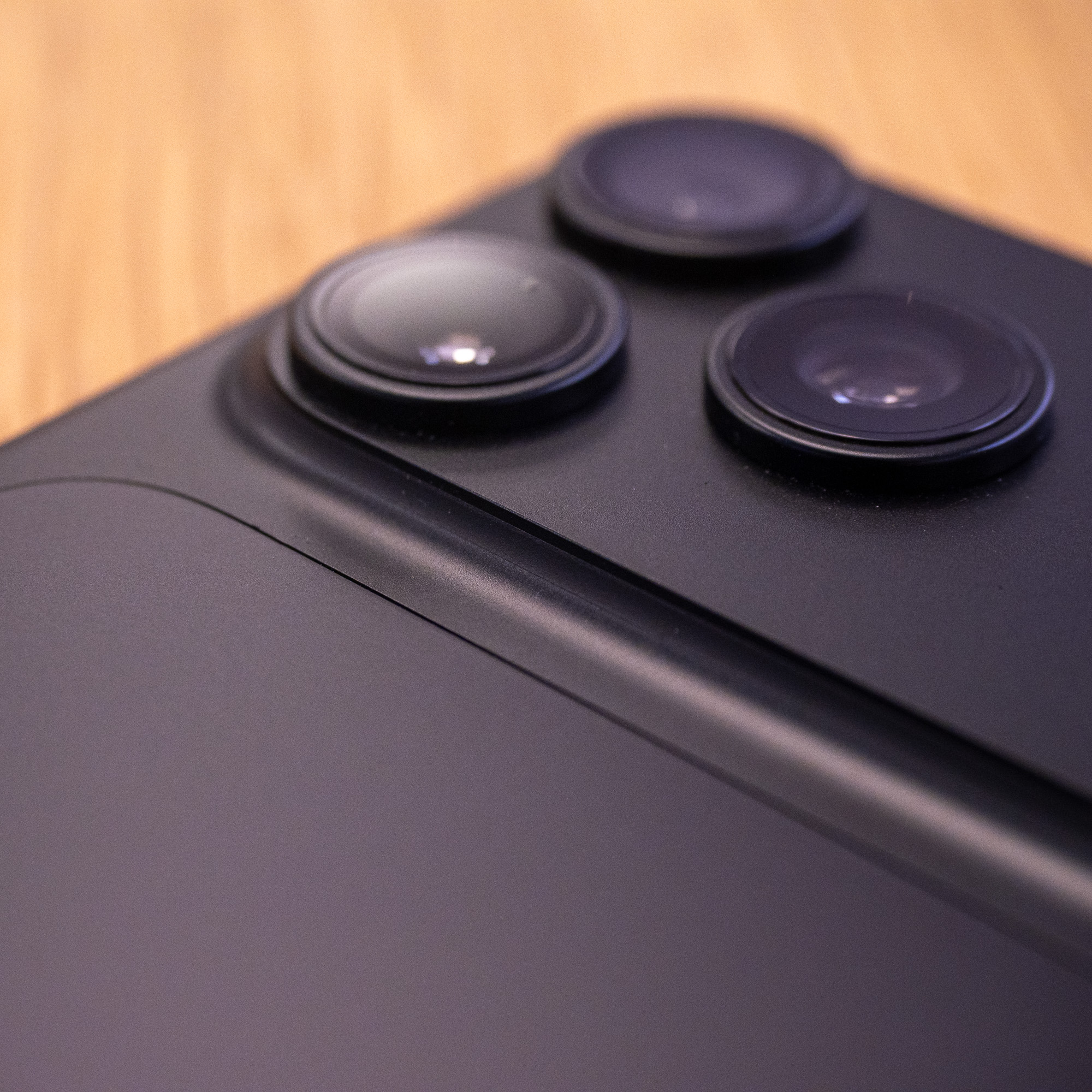
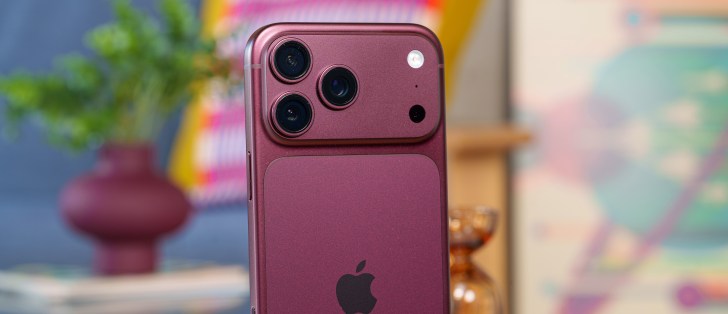
Apple's specification page lists the same camera system for both Pro models. The 48MP main camera now has a variable aperture with four stops, f/1.48, f/1.8, f/2.8 and f/4.0, at 24mm. The 48MP ultra wide is 13mm at f/2.2, and the 48MP telephoto is 100mm, 4x, at f/2.8. GSMArena identifies the main sensor as a Sony IMX 905 at 1/1.28 inch and notes that the telephoto is unchanged from last year. The iPhone 17 Pro's main camera was fixed at f/1.78, so the widest new setting is roughly half a stop brighter, which Anderson puts in full-frame terms as about f/5.2 against f/6.3.
The variable aperture
Spoonauer was the most enthusiastic. Shooting begonias in Bryant Park, he used f/1.48 to blur the background and f/4.0 to keep a distant stage and buildings sharp, and found the iris easy to use. GSMArena was the most sceptical: comparing all four stops at close range, it found the extra blur between f/1.48 and the old f/1.8 negligible, and called the iris of limited actual practical benefit in this implementation.
Hilliard reported a sharpness pattern the others did not describe. In his testing f/1.48 is at the edge of losing sharpness on the subject, f/2.8 is a little sharper, and f/4.0 softens again. He says the phone defaults to f/1.8 for most shots and opens to f/1.48 in low light on its own, and expects to leave it on automatic because changing it by hand feels a bit fiddly. Anderson and Hilliard both liked the starbursts light sources form when stopped down, Hilliard best at f/2.8, Anderson describing six-pointed stars at f/4.
Low light, zoom and video
On low light the reviewers broadly agree that the wider aperture helps. Spoonauer's near-dark flag shot came out cleaner on the iPhone 18 Pro Max than on the Galaxy S26 Ultra, whose version he called downright blurry. GSMArena rated night shots from the main camera excellent, with some grain, but found the ultra wide behind competing phones in low light.
The telephoto drew the most consistent criticism. GSMArena found its 4x results short of the crispness it wanted, the same as last year, and still unable to focus close. Spoonauer judged the Galaxy S26 Ultra sharper at 10x and still the phone to beat on zoom.
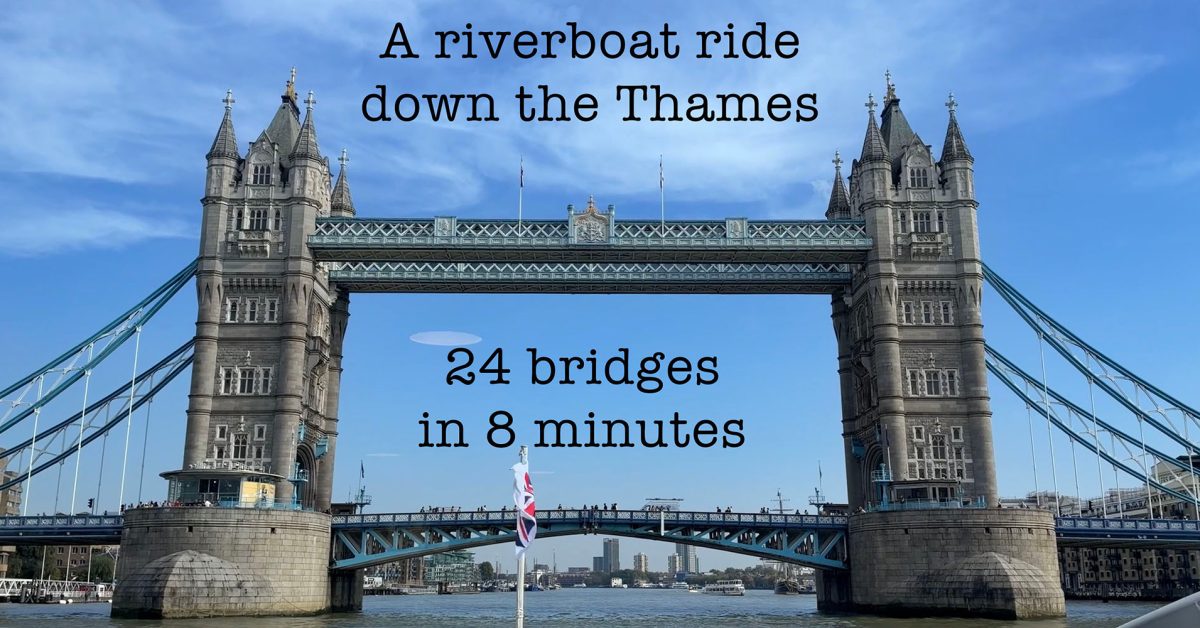
For video, GSMArena called stabilisation top-tier across the board, and Lovejoy found the iPhone 18 Pro's stabilisation better than a tripod on a moving riverboat on the Thames. Anderson welcomed 4K HDR time-lapse but noted that the Camera app only records Log in ProRes HQ, whose file sizes grow quickly, where other apps offer Log in HEVC. He also warns that matching cinema shutter speeds in daylight still needs a neutral density filter.
Question | Reviewers who agree | Who disagrees |
|---|---|---|
Does f/1.48 help in low light? | Tom's Guide, GSMArena, AppleInsider | None |
Is the variable iris worth having? | Tom's Guide, ProVideo Coalition | GSMArena, AppleInsider largely |
Is the 4x telephoto sharp enough? | None praise it | GSMArena, Tom's Guide |
Is video stabilisation class-leading? | GSMArena, 9to5Mac | None |
Our take
The disagreement is narrower than the headlines suggest. Nobody disputes the physics: f/1.48 gathers more light, and that shows at night. The split is over whether four fixed stops change how anyone actually takes pictures, and the reviewers who tested most methodically, GSMArena with side-by-side stops and Hilliard against the iPhone 17 Pro Max and a Sony camera, are the least impressed. Spoonauer's enthusiasm rests largely on deliberate depth-of-field shots that most owners will never set up.
The four presets are also not the limit of the hardware. We reported that Halide 3.2 sets the iris to any f-number rather than Apple's four stops, and none of these reviews tested a third-party app, so the verdict on the iris is really a verdict on Apple's Camera app. The same goes for Anderson's Log complaint: Apple's own Final Cut Camera, which can already choose the aperture, is one of the apps he names that records Log in HEVC.
APPDOOK's reading is that the camera story of this generation is incremental, and the reviews say so more plainly than Apple's launch did. What none of them measured is worth noting: there is no lab sensor test here, no long-term look at the iris mechanism, which is the first moving part in an iPhone lens, and Tom's Guide sometimes compares the Pro and the Pro Max interchangeably. For anyone on an iPhone 17 Pro, the low-light gain is real but small. For anyone on an older phone, the reviewers' praise for stabilisation and night shots counts for more than the iris does.
Is the variable aperture a reason to upgrade?
On the evidence of these four reviews, not on its own. Even its fans describe a camera that is better in dim light and more flexible in the hands of someone who wants to choose a stop, while the people most likely to choose one, Anderson and Hilliard, both hit limits: an ND filter still needed, Log tied to ProRes HQ, controls that are slower than a dial. Hilliard concludes it is not a reason to move from an iPhone 17 Pro Max.
Sources
 iPhone 18 Pro and Pro Max review: Fastest phone ever, variable aperture camera shinesTom's Guide, Mark Spoonauer, 2026-09-16
 Review: iPhone 18 Pro MaxProVideo Coalition, Iain Anderson, 2026-09-17
 Apple iPhone 18 Pro Max review: CameraGSMArena, 2026-09-23
 iPhone 18 Pro Max cameras are Apple's best yet, but only when you squintAppleInsider, Wesley Hilliard, 2026-09-30
 iPhone video stabilization continues to wow me in the iPhone 18 Pro9to5Mac, Ben Lovejoy, 2026-09-29
 iPhone 18 Pro and iPhone 18 Pro Max - Technical SpecificationsApple, 2026-09-29
Reporting and images linked above belong to their respective publishers and are shown from their own servers. The analysis here is our own.