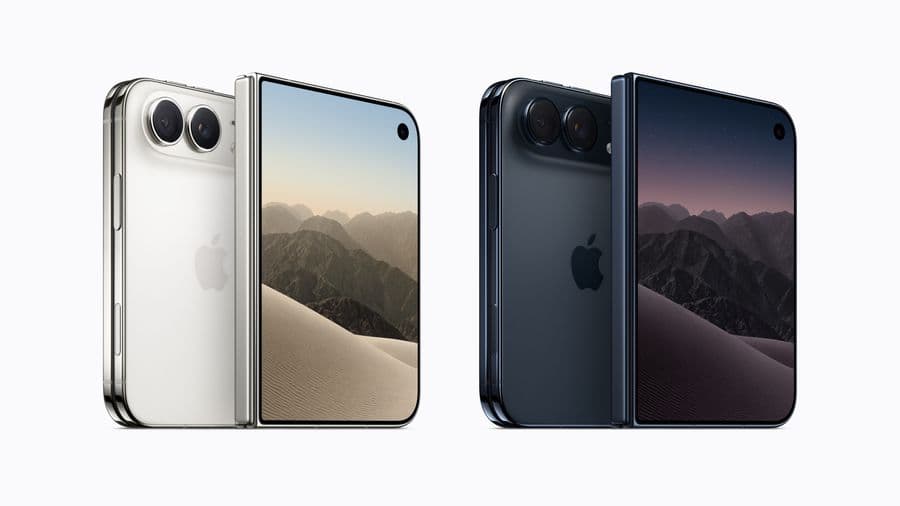
What reviewers found in the iPhone Duo: great inside, cramped outside
Reviewers love the matte folding screen and doubt the small cover screen. They split on heat, battery life and whether a first foldable is worth buying yet.
The first full reviews of the iPhone Duo, Apple's folding iPhone, were published on 21 October 2026, two days before it goes on sale. The Verge and 9to5Mac each had the phone for about a week.
Where the reviews agree
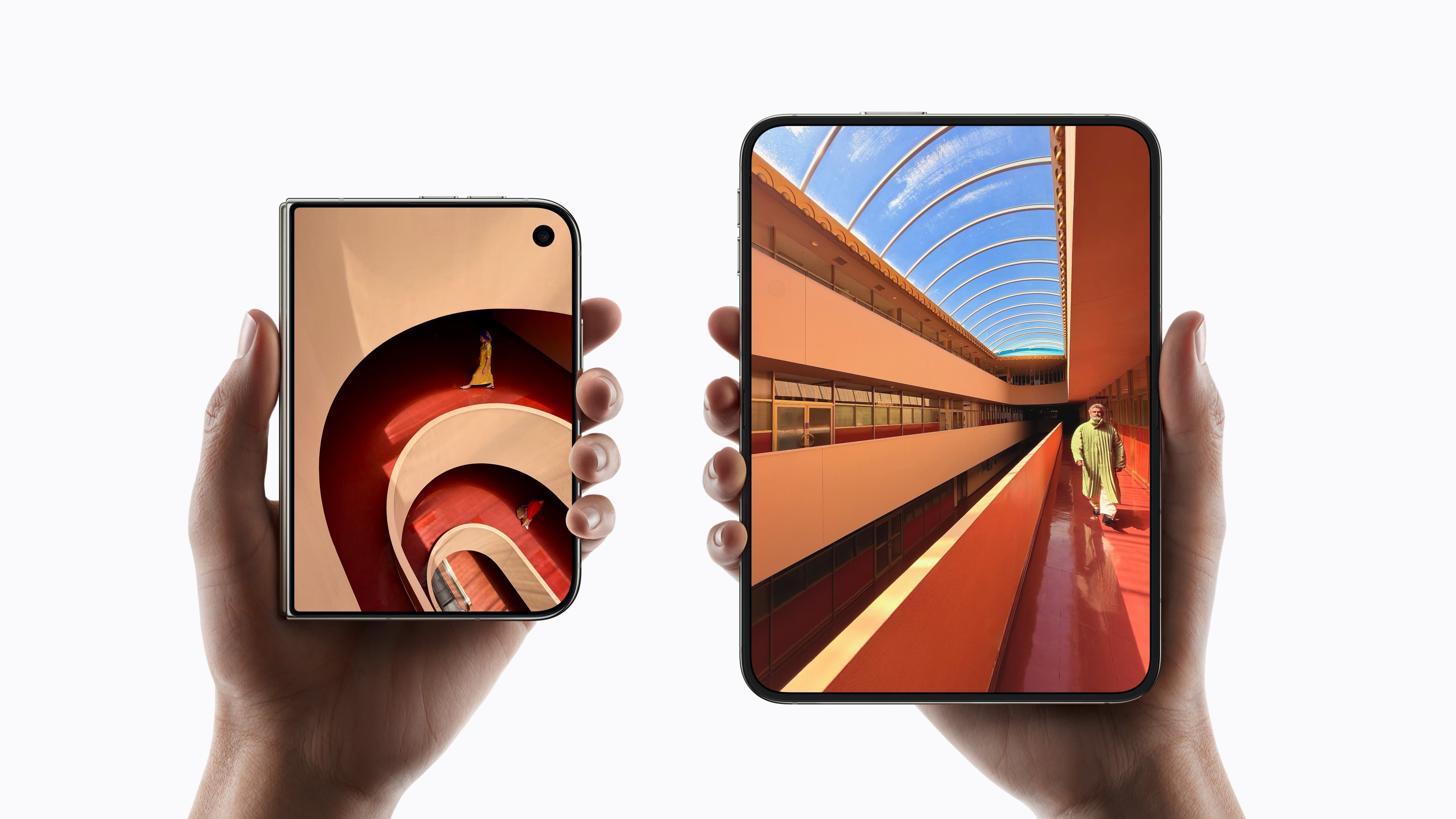
The reviews praise the inner screen above all. Apple gave it a matte nano-texture finish, an etched surface that scatters reflections, and says it cuts glare and makes the fold harder to see. A second piece from The Verge calls the matte screen the best thing about the Duo and hopes rival foldables copy it.
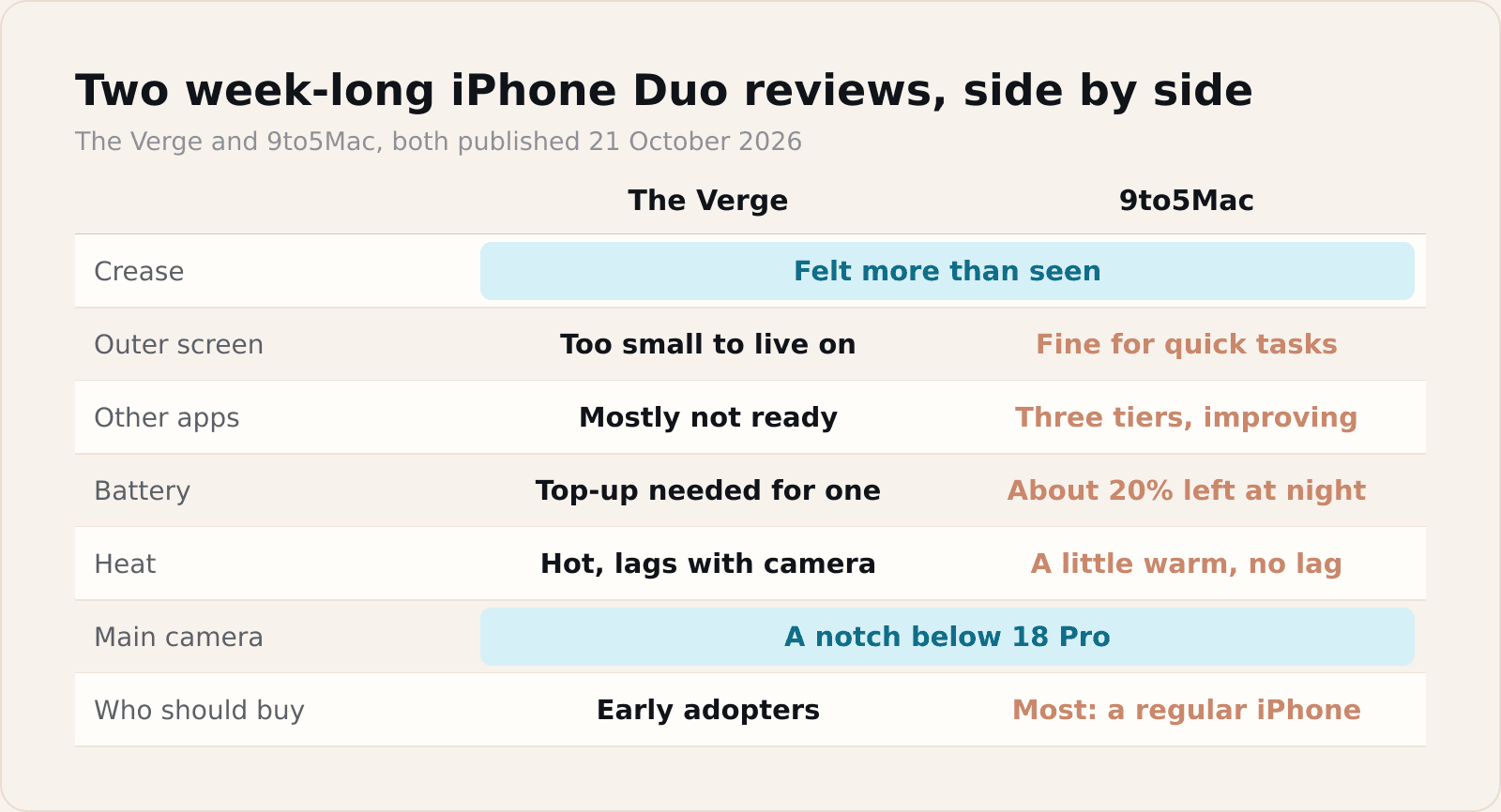
On the crease itself the accounts line up closely. The Verge says you mostly cannot see it but can feel it, and that it shows on a white screen viewed at an angle. 9to5Mac's Chance Miller says it appears mainly in bright light over dark content.
The matte finish has costs the reviewers also note. The Verge concedes dark film scenes lose a little richness. Miller finds fingerprints harder to wipe off than on a glossy screen.
The cameras draw the same verdict everywhere. The main camera is a step below the iPhone 18 Pro's and closer to the iPhone Air's, and there is no telephoto lens: Apple's 2x zoom is a crop of the main sensor.
The Verge adds that the front camera drops to 12 megapixels and that the FaceTime camera under the inner screen is poor in dim light. Both outlets like using the main camera for selfies, with the cover screen as a viewfinder.
Touch ID in the side button replaces Face ID. The Verge and Miller both report reaching for a face unlock that is not there before getting used to it. Miller misses features that check whether you are looking at the screen.
Where they split
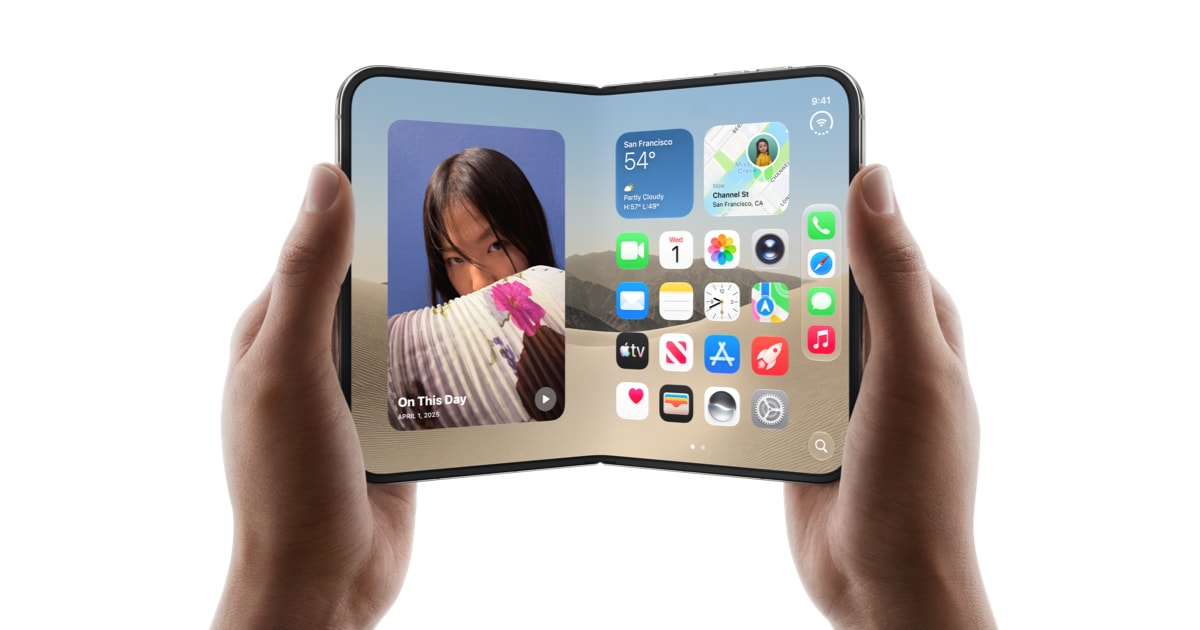
The cover screen divides them most. Both screens share a 1.4 to 1 shape, so the outer one is short and wide, and Apple moves app controls to a strip on the right. Both reviews find that strip awkward for left-handed use.
The Verge treats it as a status display, "like having an iPhone 5 in a world of iPhone Pro Maxes". Miller finds it pleasant for messages, notes and lists, though web pages crowded with pop-ups suffer.
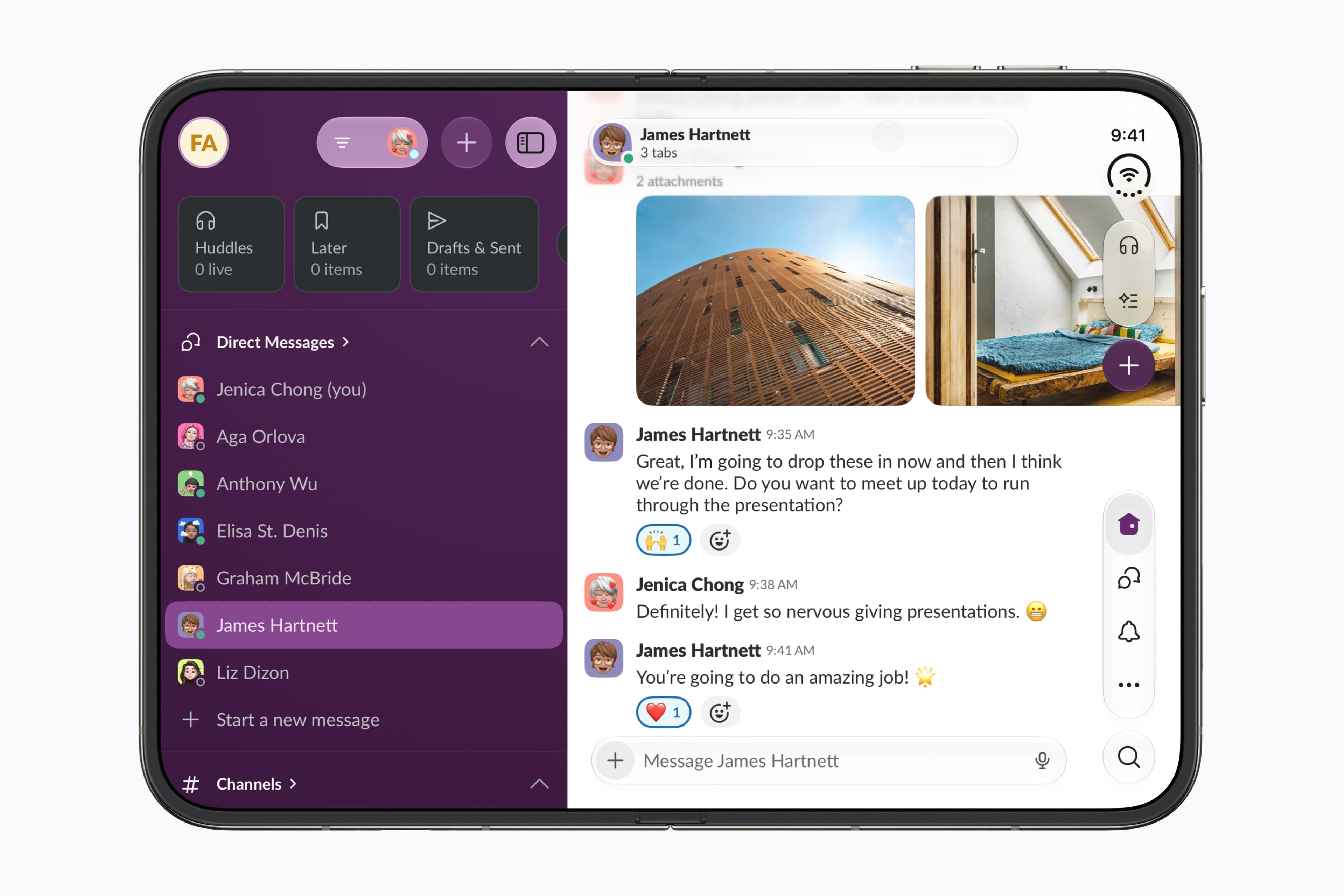
On apps, both describe three tiers. Apps not rebuilt for iOS 27 appear letterboxed in iPhone proportions. Apps built for iOS 27 stretch to fill the inner screen but leave a black bar on the cover screen. Only apps built for iOS 27.1 use both screens properly.
The Verge says the first group is the vast majority; Miller names favourites already updated, such as Overcast and Carrot Weather, and says Apple's own apps are all ready. Apple only began taking Duo app submissions on the App Store in early October, so the balance should shift quickly.
Heat is the sharpest disagreement. The Verge found the phone warm and sometimes hot, especially in video apps, Google's apps and camera features that drive both screens, such as Duo Preview and Kid Cue. With Smart Take running as well it began to lag.
Miller found it only a bit warmer than the iPhone 18 Pro, with no visible slowdown. He notes that Apple spreads heat across both halves with a vapour chamber and graphite, the design we covered when it emerged that a graphite pipe runs through the Duo's hinge.
Battery reports vary with use. Apple claims up to 24 hours with both screens used equally. One Verge reviewer needed a top-up to get through a workday; the other had about 30 per cent left after six and a half hours of screen time. Miller ends his days near 20 per cent.
The Verge gives the Fold 8 the better cover screen but credits the Duo with IP68 dust resistance and MagSafe, points our Duo against Fold8 buyer's guide also weighed. It calls the Duo "one of Apple's messiest first-generation products in a long time".
Should you buy the iPhone Duo?
Our view: the reviewers disagree less about the phone than about how they used it. The heat complaints come from long camera sessions and third-party video apps, which Miller does not describe leaning on. A reader who mostly reads, watches and works in Apple's own apps should expect his experience; a heavy camera user should expect The Verge's.
The camera is the trade we would weigh hardest. At $1,999 on Apple's US store when we checked on 18 October, the Duo costs $800 more than an iPhone 18 Pro, the gap our earlier buyer's guide set out, and gives up the telephoto lens and the better main sensor.
If photos are why you buy an iPhone, the 18 Pro is the better phone.
Two things none of the reviews could test in a week: how the crease and hinge hold up after months of folding, and whether the IP68 rating survives that wear. Miller says he did not test water resistance.
The first owners get their phones on 23 October, and their reports on heat and the crease are the next thing to read.
Sources
 The iPhone Duo is a messy, expensive, good timeThe Verge, 2026-10-21
 I can't get enough of the iPhone Duo's matte inner displayThe Verge, 2026-10-21
 iPhone Duo review: The future is foldable9to5Mac, Chance Miller, 2026-10-21
 Apple unveils iPhone DuoApple Newsroom, 2026-09-09
Buy iPhone DuoApple, 2026-10-18
Reporting and images linked above belong to their respective publishers and are shown from their own servers. The analysis here is our own.
How we report: editorial policy. Spotted an error? Report a correction.
Newsletter
Apple news, in your inbox
Get APPDOOK's Apple news by email, checked against the source like everything here.
Follow APPDOOK
New Apple stories every day, checked against Apple’s own sources.