
Why John Sculley left Apple in 1993: the Pepsi hire, the Newton and a 97 per cent profit fall
John Sculley resigned as Apple's chairman on 15 October 1993, the day after Apple reported a 97 per cent fall in quarterly profit. How his decade ended.
John Sculley resigned as chairman of Apple on 15 October 1993, ending ten years at the top of the company.
He had already given up the chief executive's job four months earlier, on 18 June 1993, when the board asked him to step aside and Michael Spindler, Apple's chief operating officer, took over, according to Cult of Mac's history of the period. Mike Markkula, one of Apple's earliest backers, replaced Sculley as chairman. The resignation came one day after Apple published its results for the quarter to 24 September 1993.
How did Sculley become Apple's CEO?
Steve Jobs recruited Sculley from PepsiCo in 1983, famously asking whether he wanted to spend his life selling sugared water or change the world. Sculley became Apple's third chief executive, after Mike Scott and Markkula, with Jobs as chairman. The two fell out, and in 1985 Jobs was pushed out after a failed attempt to take back control, with Sculley siding against him.
Over the decade that followed, Apple's annual sales grew from about $800 million to roughly $8 billion, Cult of Mac reports. Apple's own figures bear out the top of that range: revenue for fiscal 1993 was $7.98 billion. The products of the Sculley years include the PowerBook 100 series and the Newton MessagePad, and Sculley also commissioned the Knowledge Navigator, a concept film of a talking, tablet-like assistant.
What did the October 1993 results show?
Apple's release of 14 October 1993 set out a company selling more and earning almost nothing from it:
- Quarterly revenue of $2.14 billion, up 21 per cent, with Macintosh shipments up 36 per cent.
- Net income of $2.7 million, or 2 cents a share, against $97.6 million a year earlier. That is a fall of 97 per cent.
- Gross margin of 25.7 per cent of sales, down from 42.7 per cent, which Apple put down to industry-wide price competition and its own decision to price near rivals.
- For the full year, net income of $86.6 million against $530 million in fiscal 1992, after a $321 million restructuring charge.
- The Newton MessagePad, introduced on 2 August, had shipped more than 50,000 units.
The release quotes Spindler, as president and chief executive, saying Apple was beginning to turn the corner. Sculley is not mentioned in it. One detail is often misread in retellings: the figures $4.33 and 73 cents, sometimes given as Apple's share price, are its earnings per share for fiscal 1992 and 1993 in that release.
Why did the board want him out?
Cult of Mac lists several reasons. The board felt Sculley was too focused on the Newton while rival PC makers gained ground. He was reported to want to move back to the East Coast, had been considered for the top job at IBM, and was heavily involved in Bill Clinton's presidential campaign. He left with a package worth about $10 million, including $1 million in severance, a $750,000 consulting fee for a year, $2.4 million in stock options, and Apple's agreement to buy his $4 million house and $2 million Learjet. Within days he became chairman and chief executive of Spectrum Information Technologies, a move that went badly.
Our take
The numbers explain the timing better than any boardroom story. Apple shipped more Macs than ever in that quarter and kept almost none of the money, because it had cut prices to compete with cheaper PCs. A company in that position needs a product nobody else can sell, and the one Sculley had staked his reputation on, the Newton, had been on sale for eight weeks.
From a product design point of view, the Newton is the clearest lesson of the era, and APPDOOK reads it less as a failure of vision than of sequencing. The Knowledge Navigator described a personal assistant years before the hardware could deliver one, and the MessagePad arrived carrying that promise at full price. Fifty thousand units in two months is not nothing, but it was nowhere near enough to cover a margin that had fallen by 17 points. The ideas came back much later, in devices built when the parts could finally keep the promise.
The handover itself has an echo today. Sculley spent four months as chairman after giving up the chief executive's job; Tim Cook is now executive chair under John Ternus and says he is not meddling with his successor. The difference is that 1993 was a board removing a chief executive in a crisis, and 2026 is a planned succession from inside. Apple also went outside for a marketer in 1983, while its current chief executive is an engineer reported to spend several days a week in Apple's design studio.
What the record still does not settle is how much of the decline was Sculley's. The price war, the restructuring and the Newton bet were all his decade's decisions, but Spindler inherited the same problems, and in our judgement the company was not set right until Jobs returned and rebuilt the company. Sculley grew Apple tenfold and left it unable to profit from its own sales. Both halves of that sentence are true.
Sources
- Apple Computer Inc. Reports Record Revenue and Unit Shipments for Fourth Fiscal QuarterApple Computer, archived by the Pen-Based Computing History Museum, 1993-10-14
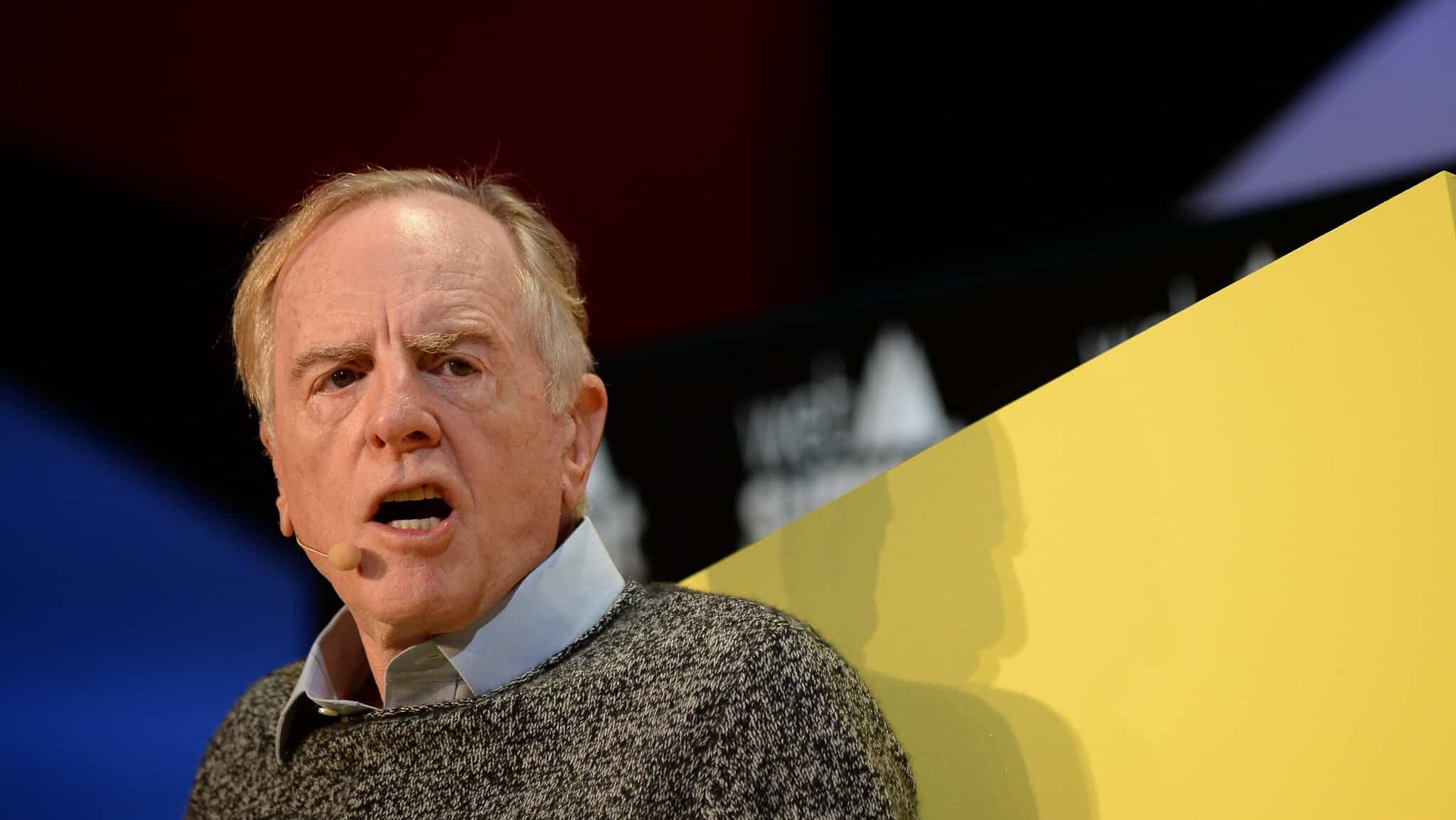 Today in Apple history: John Sculley steps down as Apple CEOCult of Mac, Luke Dormehl, 2026-06-18
- Today in Apple history: Former CEO John Sculley bids Apple a $10 million farewellCult of Mac, Luke Dormehl, 2026-10-15
Reporting and images linked above belong to their respective publishers and are shown from their own servers. The analysis here is our own.
How we report: editorial policy. Spotted an error? Report a correction.
Newsletter
Apple news, in your inbox
Get APPDOOK's Apple news by email, checked against the source like everything here.
Follow APPDOOK
New Apple stories every day, checked against Apple’s own sources.