The full-size HomePod 2 also works as a Mac speaker, Apple says, but only with Wi-Fi 6E Macs
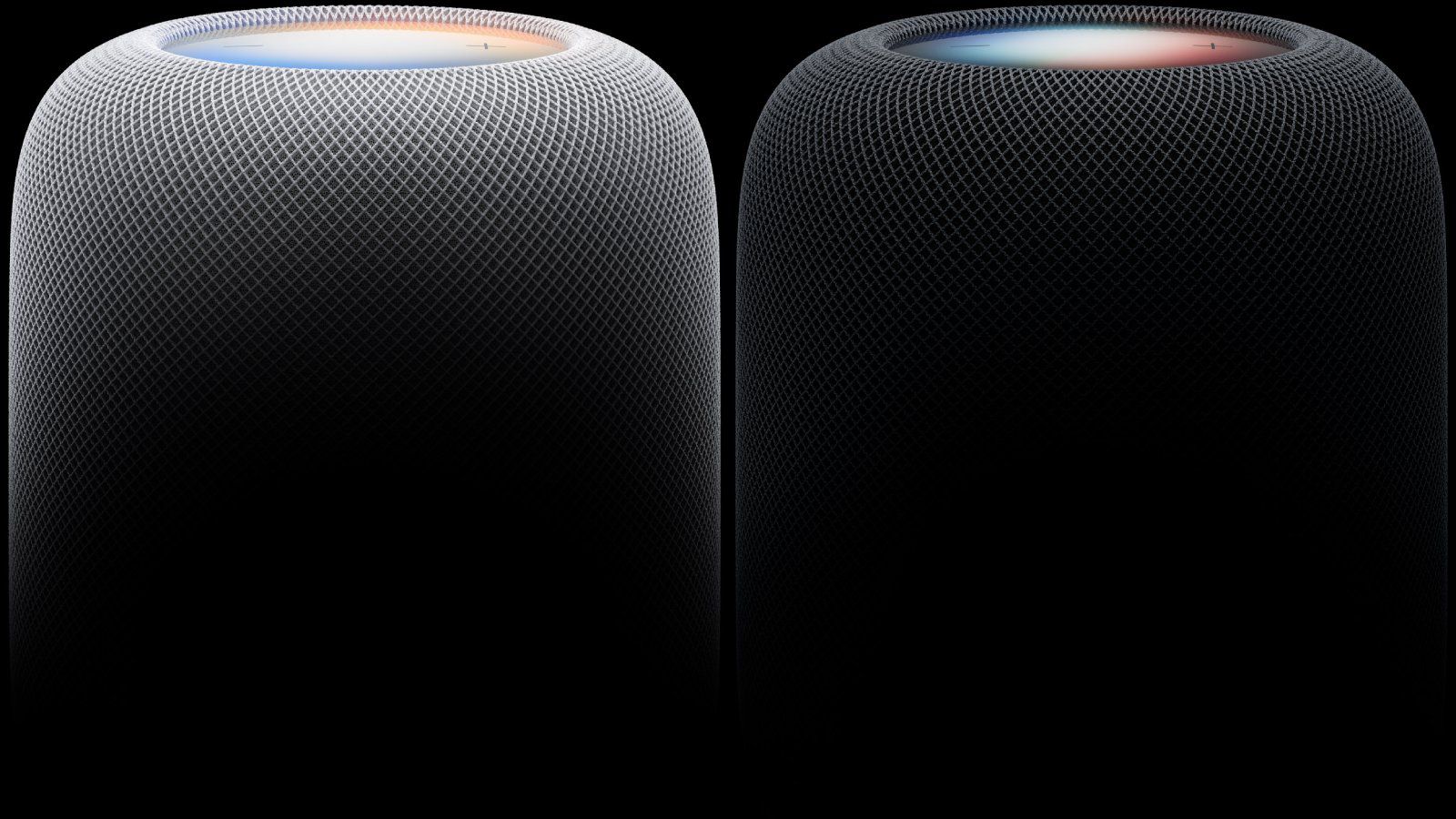
Apple's fine print says the full-size HomePod (2nd generation), not only the HomePod mini 2, can be a Mac's speaker, on Macs with Wi-Fi 6E or later.
Follow this story
Apple TV 4K and HomePod mini 2
Show 4 earlier articlesHide earlier articles
The full-size HomePod 2 also works as a Mac speaker, Apple says, but only with Wi-Fi 6E Macs(you are reading this)
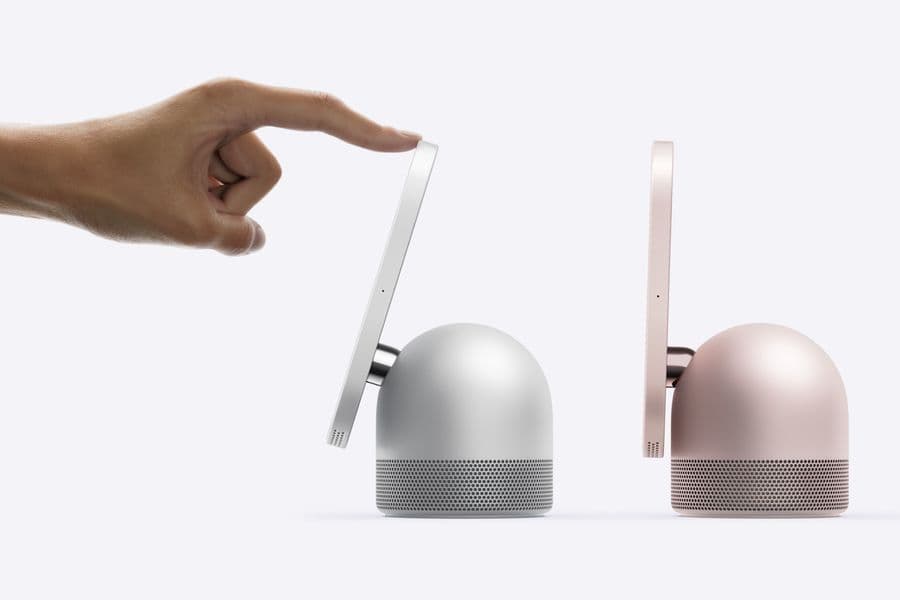
Apple says the full-size HomePod (2nd generation) can act as a Mac's speaker, alongside the new HomePod mini 2.
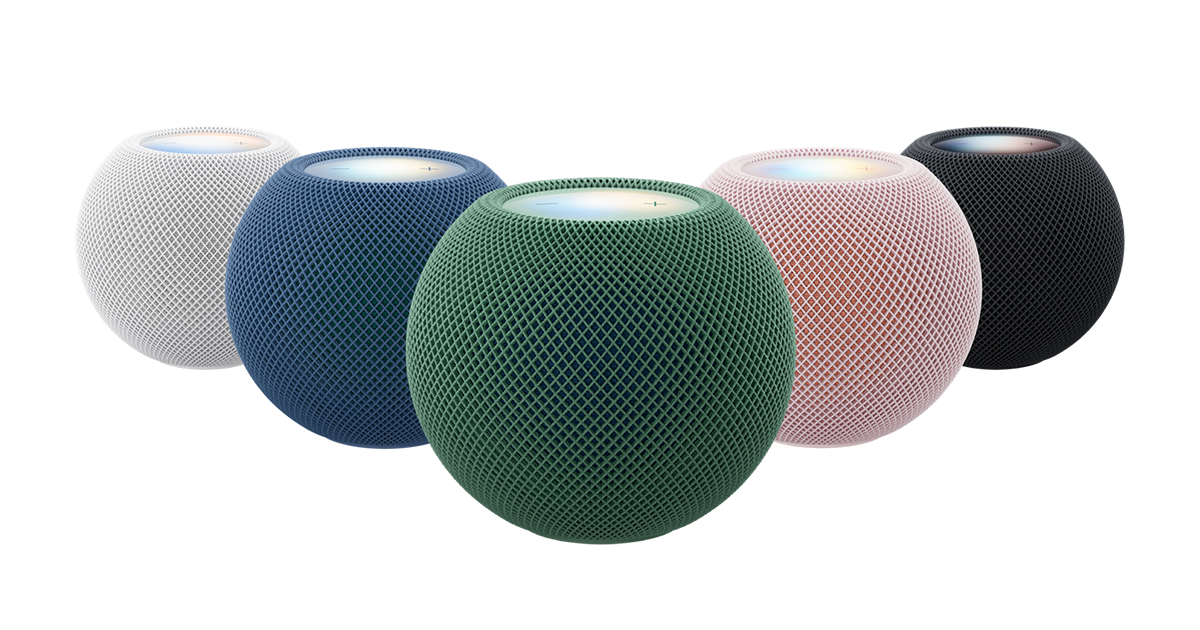
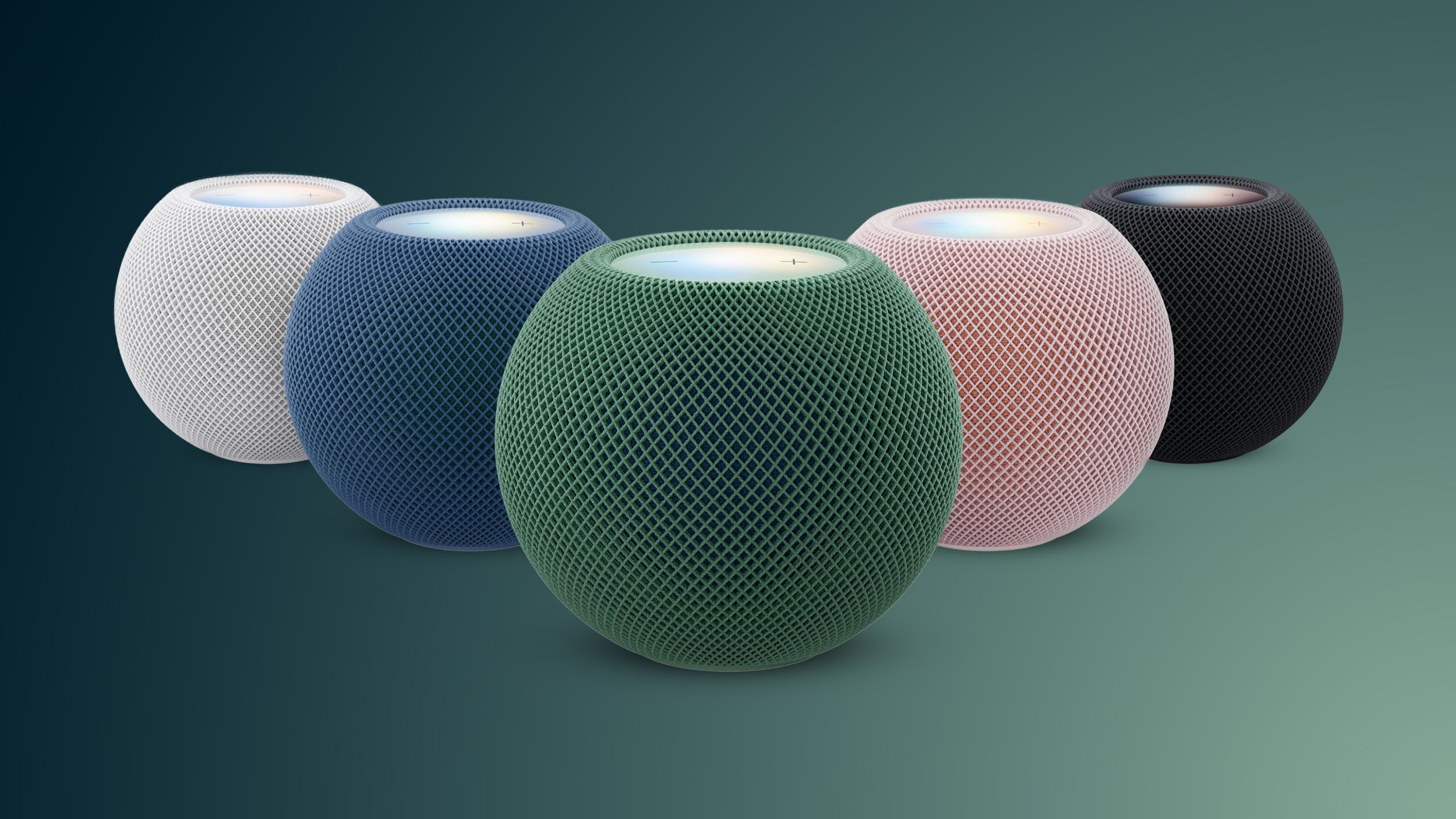
The detail is not in Apple's launch announcement. The 13 October newsroom release says only that the HomePod mini 2 can serve as a speaker for a Mac, singly or as a stereo pair, on Macs with Wi-Fi 6E or later. The second model appears in a footnote on Apple's HomePod mini product page, which says the feature is compatible with HomePod mini 2 and HomePod (2nd generation), with support on all Mac desktops and laptops with Wi-Fi 6E or later. MacRumors reported the footnote on 14 October. When we covered the launch, our HomePod mini 2 article listed the Mac speaker feature for the mini alone, following the release.
Apple's product page also sets the rule for pairs: a stereo pair needs two speakers of the same model and generation, so two HomePod mini 2 or two HomePod (2nd generation), not one of each. The footnote does not name the original 2018 HomePod, the first HomePod mini or HomeView. The Verge reported at launch that Apple calls the Mac link an audio companion, a persistent, low-latency AirPlay connection.
Which Macs work with a HomePod as their speaker?
The requirement is on the Mac side. Apple's platform deployment guide lists the Wi-Fi hardware of every Mac, and the ones with Wi-Fi 6E or Wi-Fi 7 are the ones that qualify. In short, it starts with the 2023 M2 Pro and M2 Max machines.
Mac | Qualifies from | Does not qualify |
|---|---|---|
MacBook Air | M3 (2024) and later | M1, and M2 13-inch and 15-inch |
MacBook Pro | 14 and 16-inch M2 Pro/Max (2023) and later | 13-inch M1 and M2, and the 2021 models |
iMac | 24-inch M3 (2023) and later | 24-inch M1 (2021) |
Mac mini | M2 and M2 Pro (2023) and later | M1 (2020) |
Mac Studio | M2 Max and M2 Ultra (2023) and later | M1 Max and M1 Ultra (2022) |
Mac Pro | 2023 | Intel models |
The trap is the 15-inch MacBook Air with M2. It went on sale in 2023, but Apple's table gives it Wi-Fi 6 without the 6GHz band, so it is left out. The MacBook Neo is listed with Wi-Fi 6E and qualifies.
Neither Apple page names a macOS version, or the HomePod software version the full-size HomePod needs. The release says the mini 2 ships on HomePod software 27.2.
Our take
For owners of the 2023 HomePod this is the most useful line Apple published this week, and it was in a footnote. The full-size model is the better speaker to put beside a desk, and Apple had already kept it in the other new trick: the four-speaker surround setup first spotted in audioOS 27.2 code also accepts a pair of second-generation HomePods. Nobody needs to buy a mini 2 to get Mac audio if they already own the bigger speaker and a recent Mac.
The Wi-Fi 6E rule is the part that does not explain itself. MacRumors says the mini 2 moves to Wi-Fi 6E from Wi-Fi 4, which would fit a story about a faster link. But Apple's own tech specs give the HomePod (2nd generation) 802.11n Wi-Fi, so it cannot be using the 6GHz band either. Whatever the Mac's newer radio is doing, it is not a matching radio in the speaker, and Apple has not said what it is. The plain consequence is that an M1 or M2 MacBook Air, still a very common Mac, is shut out of a feature that two speakers from 2023 and 2026 both support.
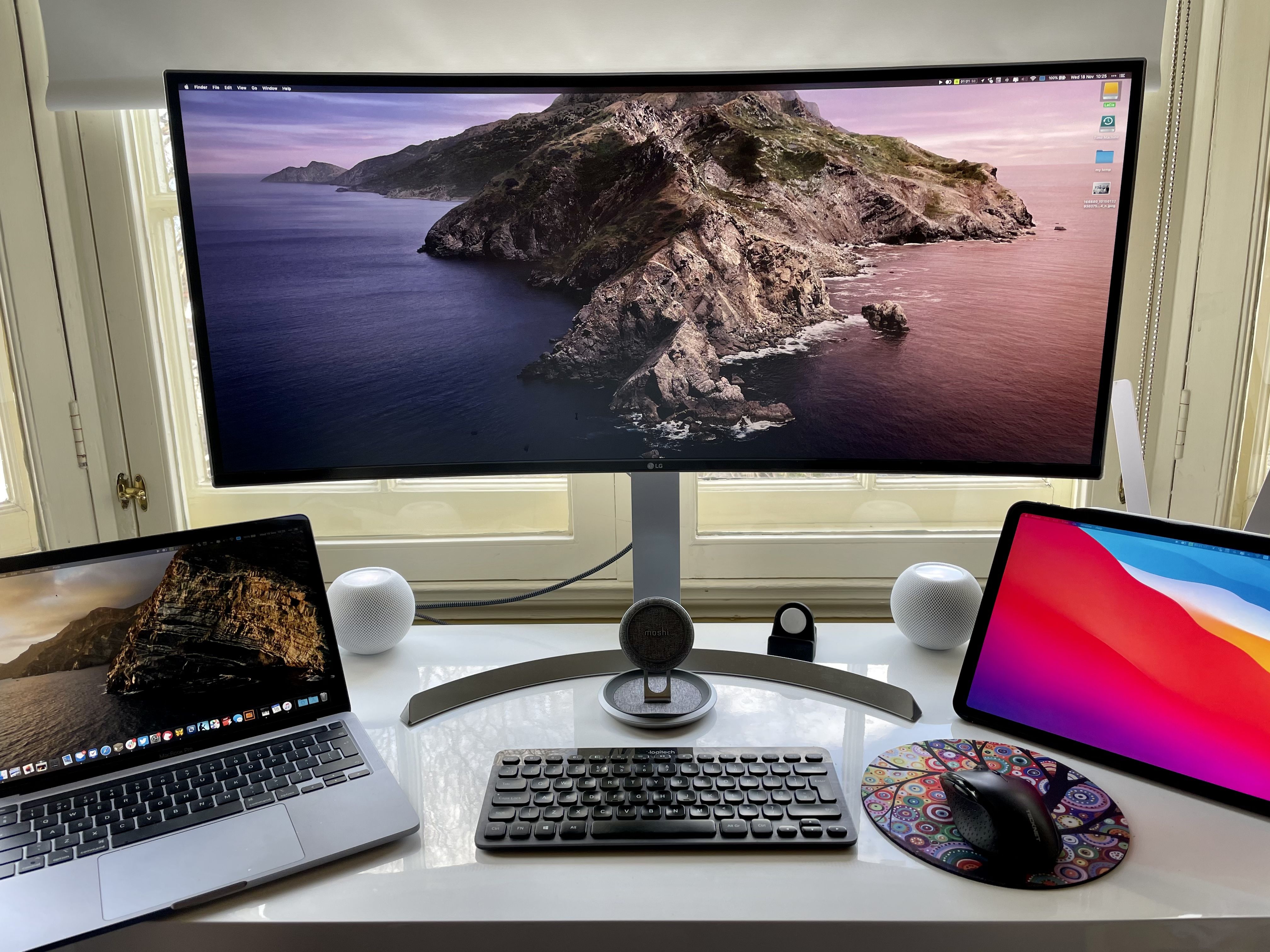
It is worth separating this from what Macs could already do. Since macOS Big Sur 11.3 in 2021, MacRumors notes, a Mac has been able to pick a HomePod stereo pair as an AirPlay output from the menu bar or Sound settings, and readers under its guide still complain of audio lagging behind video on calls. The new feature is described as a persistent, low-latency link, which is a claim about latency and reliability, not about being able to choose the speaker at all. The question APPDOOK will want answered once the mini 2 ships on 30 October is whether that latency is low enough for video calls and games, which is exactly what Apple's page says it is for, and whether alert sounds follow the music to the HomePod.
Two homes miss out. Anyone with a first-generation mini gets no Mac link, as they get no Siri AI. And HomeView, Apple's new $299 display, is not on Apple's list, even though it is the speaker most likely to sit in a home office. For app makers there is nothing to adopt: the HomePod appears as an ordinary output device, and apps that already respect the system output need no change.
Sources
 HomePod mini 2 - AppleApple, 2026-10-13
 Apple announces the next generation of HomePod mini with support for Siri AI, beautiful new colors, and rich soundApple Newsroom, 2026-10-13
- Wi-Fi specification details for Apple devicesApple Platform Deployment, 2026-10-13
- HomePod (2nd generation) - Tech SpecsApple Support, 2023-01-18
 How to Use Two HomePods With a Mac for Stereo Audio OutputMacRumors, Tim Hardwick, 2023-02-03
 Apple Says HomePod 2 Also Works as Default Speaker With Select MacsMacRumors, Joe Rossignol, 2026-10-14
 HomePod Mini 2: All the New FeaturesMacRumors, Joe Rossignol, 2026-10-14
 Apple announces the HomePod Mini 2, but it isn't ready for Siri AI at launchThe Verge, Jennifer Pattison Tuohy, 2026-10-13
Reporting and images linked above belong to their respective publishers and are shown from their own servers. The analysis here is our own.
How we report: editorial policy. Spotted an error? Report a correction.
Newsletter
Apple news, in your inbox
Get APPDOOK's Apple news by email, checked against the source like everything here.
Follow APPDOOK
New Apple stories every day, checked against Apple’s own sources.